
Knowledge Base 〉 Target Topics 〉 IBCs and Construction 〉 IBC Totes for Construction: Lightweight, Stackable, and Durable Storage Solutions

In the fast paced world of construction, having an efficient means of storing and transporting materials is vital to project timelines and sticking deadlines. Construction professionals are constantly seeking reliable, versatile, and cost effective solutions to improve everyday activities, workflow, and keep projects on schedule. Intermediate bulk containers (IBCs), commonly referred to as IBC totes, have risen as a popular choice for many in the industry. Let’s take a look at why IBC totes have gained trust and renown in the construction sector.
Modular, Stackable, and Lightweight
The primary advantage of IBC containers is their cubical, modular engineering. IBC totes are designed with a box-like shape that allows IBCs to be squared up along walls, within trucks, in warehouse stacks, beside equipment, and alongside other totes. Their cubical shape maximizes space use and allows more containers, and therefore materials, to be stored and transported when space is limited. IBCs are engineered to be stackable, both empty or full of payload. The ability to vertically stack multiple IBCs minimizes overall storage footprint to optimize and make the most efficient use of real estate either in the warehouse or on the site.
The most commonly used IBC is the composite caged IBC tote, sometimes referred to simply as a poly tote. The leading benefit of caged IBC totes, aside from their low cost, is the container’s lightweight build. Poly totes are constructed from low weight high density polyethylene (HDPE) with a tubular galvanized steel protective frame that makes them strong and easy to handle. Their lightweight design simplifies transportation and handling on construction sites, which in turn can reduce time and labor costs.

Durability Under Tough Conditions
Construction environments can be harsh and demanding with regular exposure to various elements such as heat, cold, dust, and moisture. IBC containers are manufactured to withstand these conditions to maintain storage security and integrity.
Made from durable materials, including carbon steel, stainless steel, and HDPE, IBCs resist damage from corrosion, impacts, drops, and punctures. The robust construction of IBC containers protects the internal payloads from external conditions to safeguard the stored materials. This durability extends the life of the container, making them a cost effective investment offering long term use.
Versatile Applications
IBC totes are most often used for liquids but are also suitable for solids, granulated goods, and semi-solids. In the construction industry, this versatility is invaluable. From storing water and chemical solutions to holding bulk construction materials like cement and aggregates, IBCs prove to be a multi-functional asset.
Caged IBC totes, in particular, are an excellent solution for transporting dense and heavy materials and can be modified to accommodate different application needs. Their integrated rigid steel frame and pallet support the IBC’s structural strength and ease of mobility, even under load stress, which is ideal for both onsite and offsite storage requirements.

Options
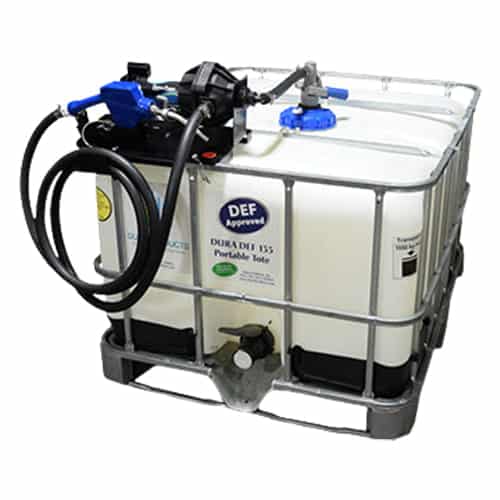
Intermediate bulk containers come in different product options and models made from high density polyethylene plastic, stainless steel, and carbon steel. Polyethylene IBC totes come in several models including composite, premium stackable, DEF dispensing totes, the Ultratainer, the Widemouth Ultratainer, and the Megatainer. The different plastic IBC options are engineered to match application and storage needs. Metal IBC totes feature an all-metal design for payloads incompatible with plastic, a “no-heel” supporting drain design, and a large diameter manway for improved container access.




Regulatory Compliance and Safety
Safety is critical in construction projects, and IBC totes have been intentionally engineered to meet strict safety standards. Intermediate bulk containers are DOT/UN approved for handling hazardous and non-hazardous materials for compliance with federal regulations during transport and handling and make IBCs suitable for transporting chemicals and other potentially dangerous substances safely.
IBC totes have product features that enhance the security of the payload and during use including threaded fill ports, bottom drain ball valves, and quick disconnects. These features help minimize the risk of spills and contamination, promoting a safer work environment.
Environmental Impact
At a time when sustainability has become increasingly important in the world, IBC tote containers offer several environmental benefits including their ability to be recycled, reused, repurposed, and returned for reconditioning. Their recyclability and potential to reduce waste through reuse make IBCs a greener option compared to disposable storage solutions. Choosing and using IBC totes, especially previously used rebottled IBCs and reconditioned IBC totes, can help construction companies lower their environmental footprint and positively contribute to ecological conditions.
Cost Benefit Analysis
While initial investment in an IBC container may be higher, the long term savings are substantial. Their durability and reusability lead to reduced costs over the tote’s working life as they do not need to be replaced as frequently as other storage options. The cost effectiveness and functionality of IBC totes make them a smart choice for the budgets of construction companies and contractors.
Takeaway
For construction professionals looking for an efficient, durable, and versatile storage solution, IBC totes make an excellent choice. Their maneuverable, stackable design, combined with their strength and regulatory compliance, makes them a valuable asset on construction sites. Whether for short term projects or long term material management, IBC totes provide a reliable solution that enhances productivity and safety in the construction industry.