
Knowledge Base 〉 Target Topics 〉 IBCs and Water 〉 Addressing Common Challenges in IBC Water Storage

IBC totes, or intermediate bulk containers, are a popular choice for storing water due to their large capacity, durability, and ease of handling. These containers are good for many different uses and can be found in homes, farms, construction sites, and industrial facilities for storing and moving water efficiently. However, like any storage option, IBC totes come with their own set of challenges that users need to know about to keep the water safe and fit for use.
This article will look at the common problems with IBC water storage and offer practical solutions to fix them. We will share tips on how to prevent issues and troubleshoot them, so you can keep your IBC totes working well. By the end of this article, you’ll understand how to tackle these challenges and make sure your water storage system is reliable and effective.
Common Challenges in IBC Water Storage
When using IBC totes to store water, there are some challenges that can affect the water’s quality and safety. It’s important to understand these issues for good water management.
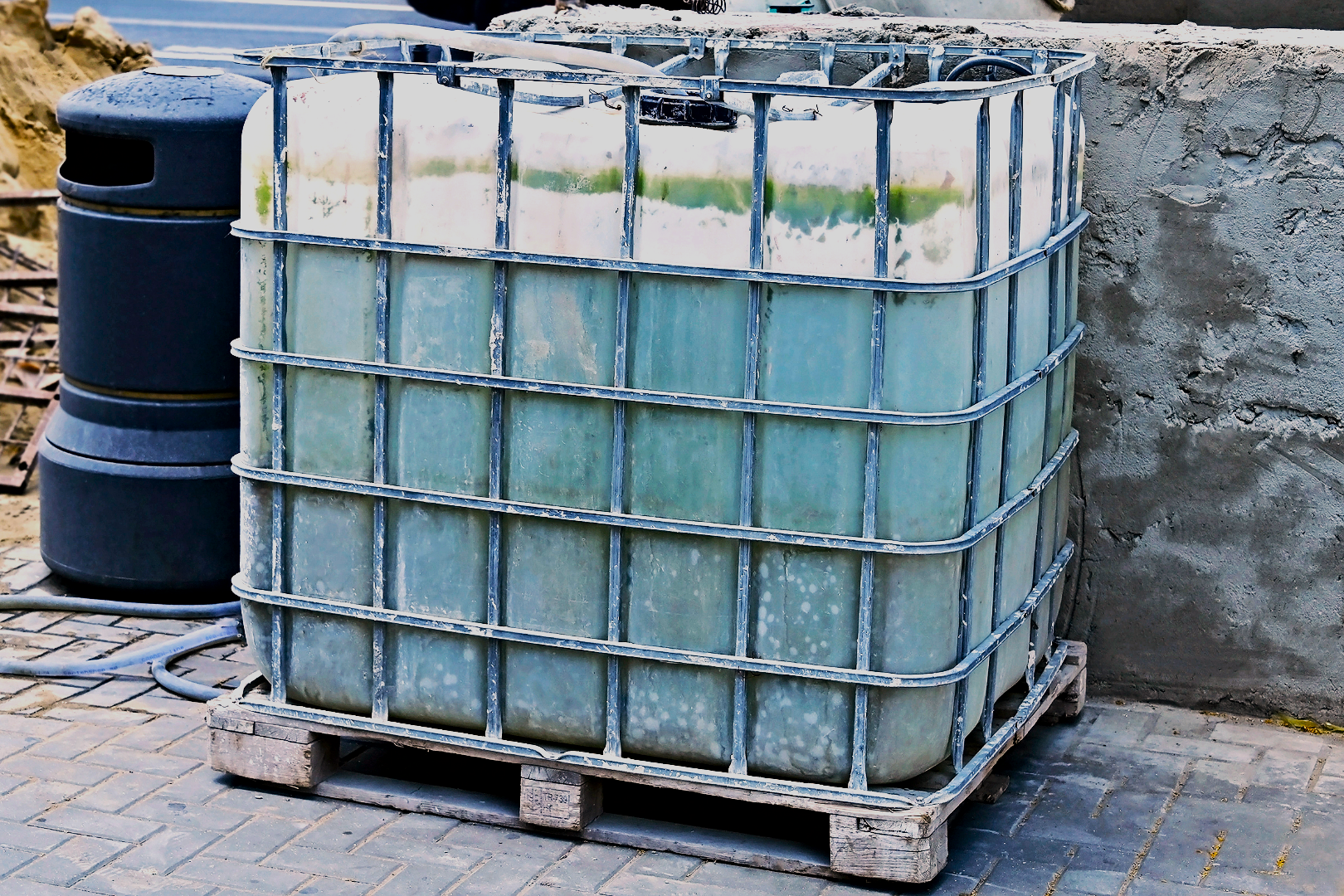
One major challenge is algae growth. Algae can begin to grow and reproduce in water stored in IBCs if the containers are exposed to sunlight or if there are nutrients present that promote growth. This can change the taste and smell of the water and may pose health risks if the water is used for drinking.
Leakage is another common problem. This can happen over time due to wear and tear or from improper handling and installation. Leaks can lead to significant water loss and, if not fixed quickly, can affect the structural strength of the IBC.
Contamination is also a concern. Water can get dirty from dust, foreign particles, or microorganisms. If the water isn’t checked and cleaned regularly, these contaminants can pose health risks and make the water less usable.
It’s important to address these challenges to ensure good water quality and safety. By taking preventive steps and performing regular maintenance, users can lower the risk of these problems. Keeping IBC totes in good condition not only helps them last longer but also makes sure the stored water stays clean and safe for use.
Algae Growth in IBCs
When it comes to storing water in IBC totes, perhaps the most common issue is algae growth. This section explains why algae grows, how to stop it from happening, and what to do if it does become a problem.
Causes of Algae Growth
1. Exposure to Sunlight
Algae are similar to plants in that they need light to grow. IBC totes, particularly those made from translucent materials that allow sunlight to pass through, provide the ideal conditions for algae to thrive. When the container is exposed to direct sunlight, especially in warmer climates, it becomes a perfect breeding ground for algae.
2. Presence of Nutrients in the Water
Algae require nutrients such as phosphates and nitrates to grow. These nutrients can enter the water through rainwater runoff or from organic material that accidentally gets into the tank. Once these nutrients are present, they can drive rapid algae growth.
Preventive Measures
1. Use Opaque Covers or Paint the Exterior
The most effective way to prevent algae growth is to block sunlight. You can cover a water IBC with an opaque cover, which can be various products and materials, or paint the exterior with a plastic approved exterior paint and a light blocking color, with black being the most recommended. These options reduce the amount of sunlight that will pass through the tote to significantly limit if not eliminate algae’s ability to grow.
2. Place IBCs in Shaded Areas
Positioning your IBC totes in shaded areas can greatly reduce the amount of sunlight exposure. Shaded areas can be natural or manmade, as in the case of putting IBCs on the sun-shaded side of a building or creating a dedicated structure. This simple step can be very effective in preventing the conditions that favor algae growth.
3. Regular Cleaning and Maintenance Schedules
Establishing a routine cleaning schedule will help remove any existing algae and prevent new growth. Regular maintenance ensures that the interior of the IBC tote remains clean and free of nutrients that might promote algae growth.
4. Inspect and Prevent
Regularly inspecting a water IBC, especially during the warm season, can catch algae growth early, which will make fixing the problem altogether easier.


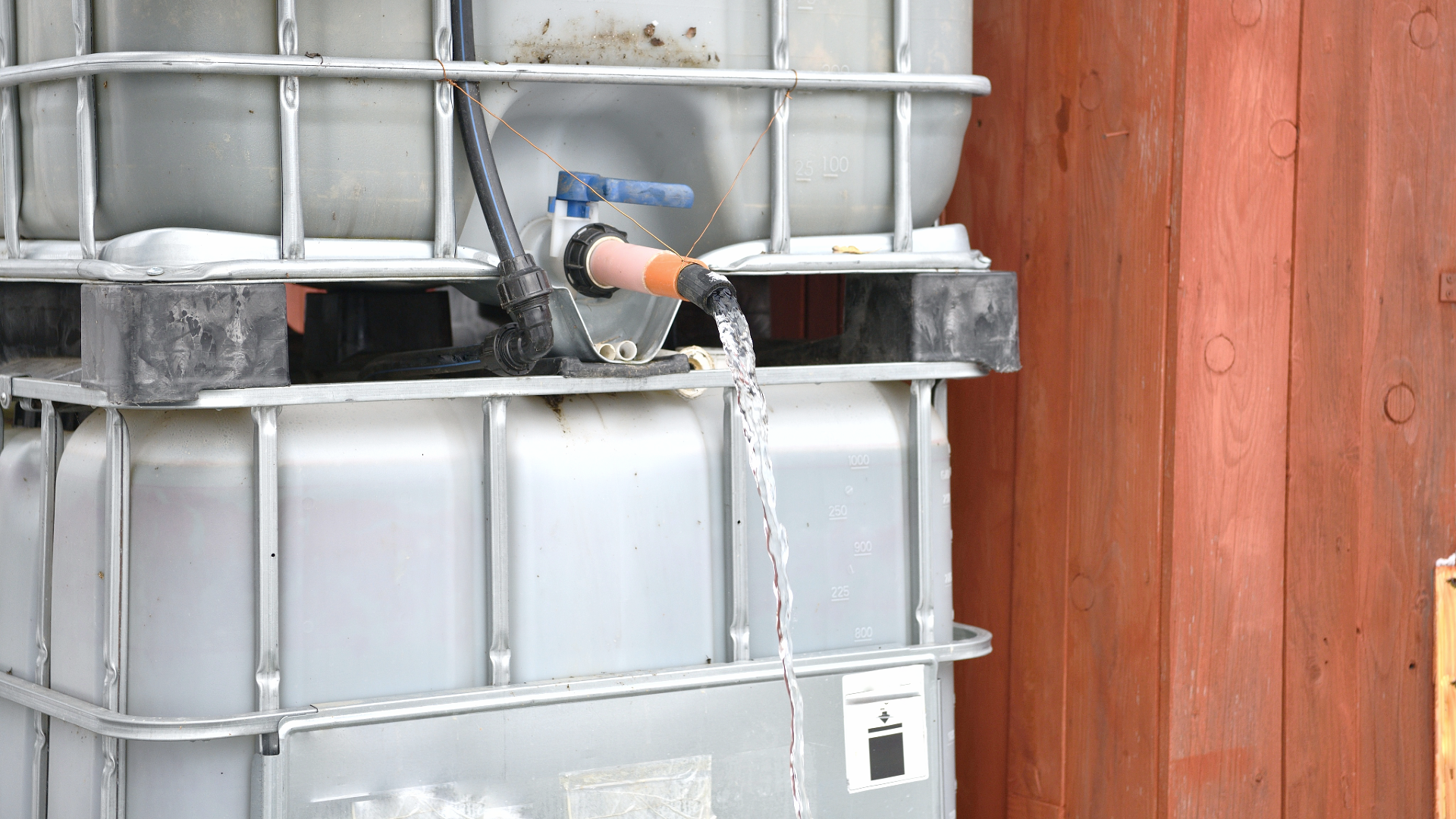
For more on algae growth in IBC totes and tips on how to prevent it, view our short resource here.
Remedial Solutions
1. Use of Algaecides and Their Impact
Algaecides can be used to kill algae in water storage systems. However, caution is advised, especially if the water is intended for drinking, as some algaecides can be harmful if ingested. Always follow the manufacturer’s instructions and consider the safety of the treated water.
2. Use of Bleach
When algae growth is caught early, common household bleach can be used to kill algae. For more on this, recommendations, and warnings, see our post here.
3. Periodic Flushing and Filtration to Remove Algae
Flushing the system periodically can help remove algae and any nutrients supporting its growth. Additionally, installing mechanical filtration systems can trap algae before it becomes a larger problem, maintaining the quality of the stored water.
4. Prevent Algae
Hands down, the best remedial solution for algae is to prevent algae growth altogether. The best way to keep algae from growing in a water IBC tote is to fully protect the container from sunlight.
By understanding the causes and solutions, you can better manage or altogether prevent algae growth in IBC totes to ensure your water remains clean and safe for its intended use.
Leakage Issues in IBC Water Storage
IBC totes, while durable and reliable, are not immune to developing leaks over time and years of use. Finding and fixing any leaks promptly is vital to maintain the working quality, lifespan, and functionality of your water storage system. Let’s explore the common causes of leaks, ways to prevent, and repair techniques.
Identifying Leakage Causes
1. Common Wear and Tear
Over time, the materials and components of an IBC tote can wear down, which can potentially lead to leaks. This is particularly true for the drain valve and its gasket as it is the most used and most leak-susceptible part that can become faulty due to regular usage and aging.
2. Improper Installation or Handling
Leaks can also happen due to improper installation or handling of the totes, such as from falls, drops, or physical impacts. If not correctly positioned or supported, the integrity of an IBC tote can be weakened which can lead to cracks or breaks.
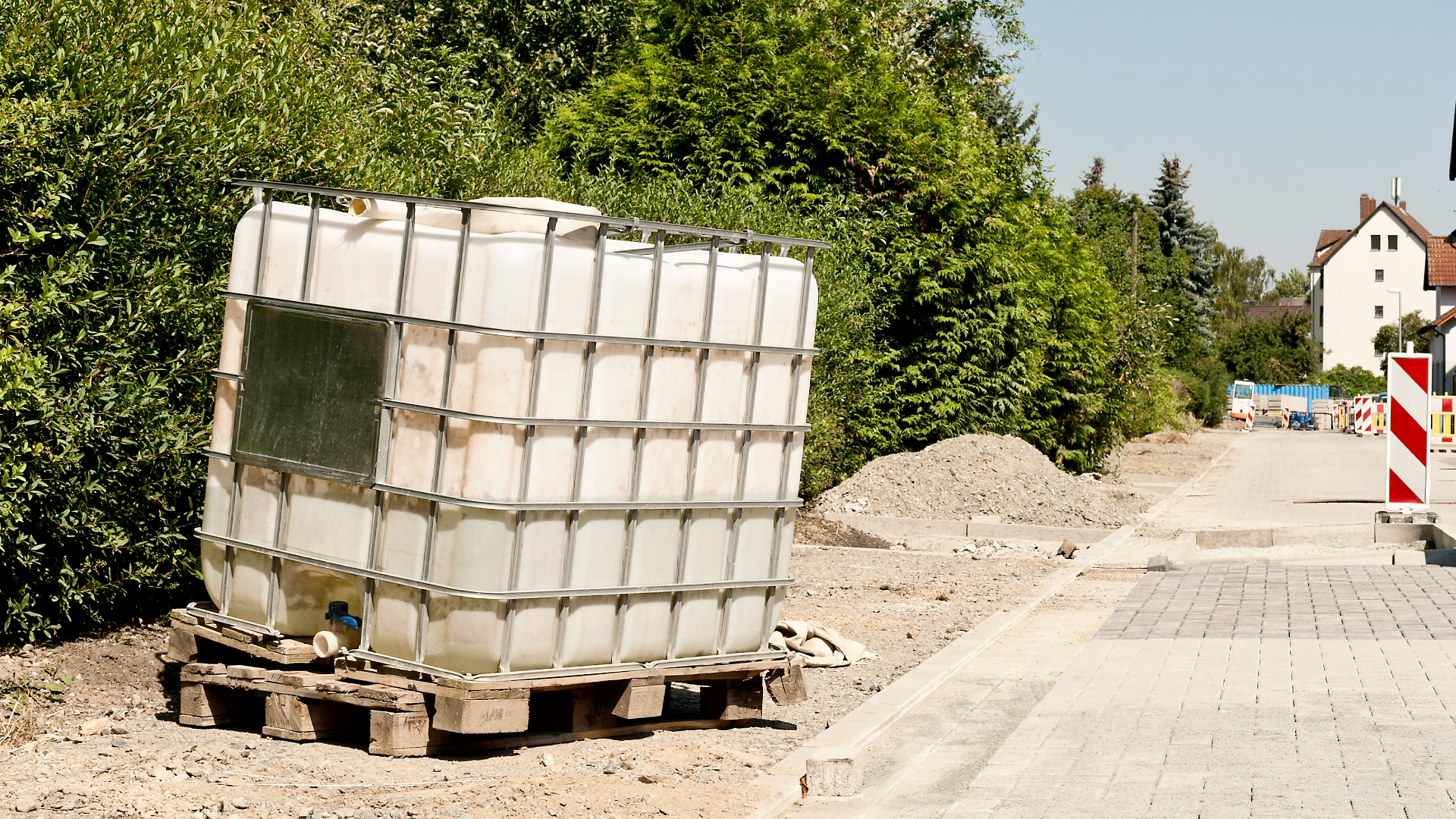
For more on IBC totes and leaks, see our resource on Do IBCs Leak.
Preventive Strategies
1. Regularly Inspect IBC Seals and Valves
Performing regular inspections of gasket seals and valves can help catch potential problems early. Look for signs of wear, such as cracks or deformation, and replace any components that appear damaged.
2. Ensure Proper Placement and Support
Correct placement is key to preventing damage that could lead to leaks. Water IBC totes are best placed on flat, stable surfaces that give proper support across their base to avoid high stress on any part of the container. Using additional materials for support can help evenly distribute weight and reduce the risk of damage.
Repair and Mitigation Techniques
1. Part Replacement
Worn or damaged IBC drain valves, gaskets, and lids can simply be removed and fitted with a replacement part. IBC tote replacement parts are often readily available online. The common poly caged IBC tote typically has a 6 in. lid, a 2 in. MPT ball valve, and EPDM material gaskets.
2. DIY Repair Kits for Minor Container Leaks
For small leaks, DIY repair kits can be a low cost and effective solution. These kits typically include materials like epoxy cement and patches that can temporarily seal small cracks or holes. It’s essential to follow the instructions carefully to ensure a secure fix.
3. Professional Repair Services for Significant Damage
When leaks are severe, or if the IBC tote is heavily damaged, professional repair services or full replacement may be necessary. Experts can assess the damage and may be able to provide a more durable repair solution.
4. Temporary Solutions While Awaiting Permanent Repair
If immediate repair is not possible, temporary solutions such as waterproof tape or sealants can help prevent complete water loss. These methods provide a short term fix to allow time to arrange for a more permanent repair or for a replacement tote to arrive.
By understanding the most common ways leaks occur and how to prevent and correct problems, you can maintain the performance and safety of your IBC water storage so it remains functional and reliable.
Contamination Concerns
Protecting the purity of water stored in IBC totes is often vitally important, as contamination can pose health risks and generally affect the usability of the water. Understanding the sources of contamination and preventive measures can help maintain water quality.
Sources of Contamination
1. Introduction of Foreign Particles
Foreign particles can enter IBC totes in different types, such as dust, debris, or residue from previous contents. If totes are not properly cleaned, sealed, or filled, these particles can contaminate the water in varying degrees up to the point of making it unsafe for use.
2. Microbial Growth Due to Stagnant Water
Stagnant water provides an ideal environment for microbial growth like bacteria. Without regular circulation or usage, water in an IBC can become a breeding ground for microorganisms.

Preventive Practices
1. Regular Cleaning and Sanitation Routines
Having a consistent cleaning schedule is recommended. This involves thoroughly rinsing and sanitizing the interior of the IBC tote to remove any contaminants. Use appropriate cleaning agents and allow proper drying to prevent microbial growth.
2. Use Food Grade and Certified IBCs for Potable Water
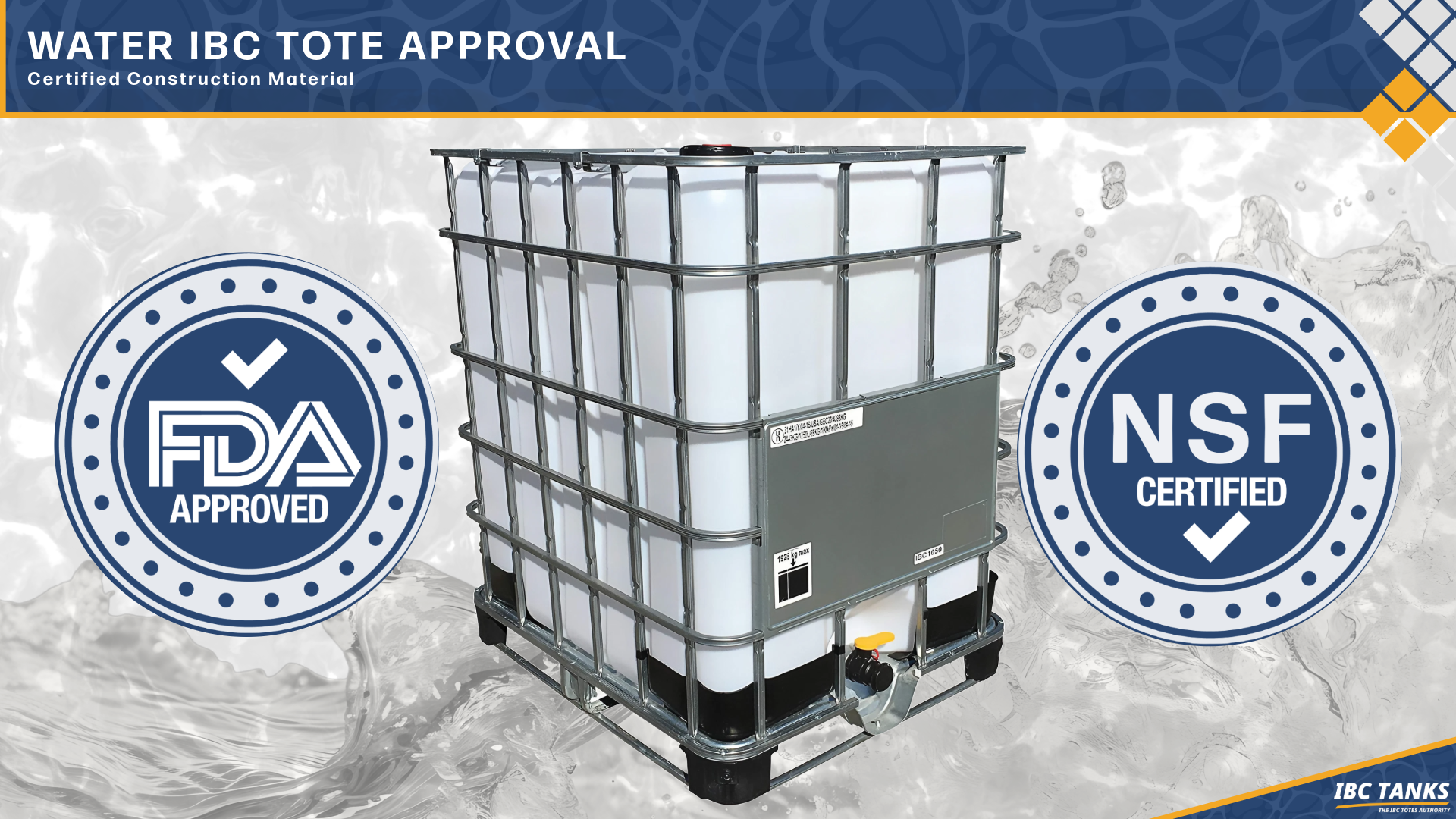
When storing potable water, only use food grade IBC totes that have been manufactured and certified to meet safety standards. This includes being made from FDA approved materials, at minimum, with ANSI/NSF 61 certification recommended. Our water IBC containers are specifically made from materials that are safe for water storage to prevent contamination.
3. Keep the Water Clean
The best prevention against contamination is to keep the water inside the IBC clean. When initially and continually kept free of foreign matter, potable water should have an indefinite shelf life if undisturbed and kept from sunlight. Use every means available to keep the IBC closed and free from outside contaminants.
Addressing Existing Contamination
1. Filtration and Sterilization Techniques
If contamination occurs, filtration systems, such as cartridge filters, can help remove foreign particles and microorganisms. Sterilization methods, such as UV light treatment or boiling, can further ensure that the water is safe for consumption.
2. Chemical Treatments and Their Appropriate Use
In some cases, chemical treatments like chlorine bleach may be necessary to fix microbial contamination. It’s necessary to use these chemicals correctly and follow the product’s guidelines to ensure the water is effectively sanitized.
By understanding the potential sources of contamination and what steps are available to prevent and address the issue, you can better maintain the safety and quality of water stored in IBC totes.

Troubleshooting Guide for IBC Efficiency
Here we will provide practical tips and strategies to ensure your IBC tote setup and water use needs operate smoothly.
Regular Maintenance Tips
1. Routine Checks and Cleaning Schedules
Regular inspections are key to catching and preventing potential problems. Establish a consistent cleaning schedule to remove any buildup or residue and keep IBCs in top working order. This will not only help maintain water quality but also extend IBC tote lifespan.
2. Monitor for Unusual Odors or Discoloration
Pay attention to any strange smells or changes in the water color, as these can indicate contamination or other issues. Prompt action is typically necessary to address these signs and keep the problem from worsening.
Monitoring Systems
1. Use of Sensors and IoT Devices for Real Time Monitoring
For sensitive and critical applications, incorporating modern technology like sensors and IoT devices can allow for continuous monitoring of water levels, pressure, and temperature within water IBC tote containers. This real time data can help to rapidly identify issues before they become a significant problem or affect workflow.
2. Alert Systems for Early Detection of Issues
Setting up an alert system will ensure that you receive an immediate notification if any parameters fall outside of the normal range. This proactive approach can enable quick response and minimize downtime.

Application Improving Techniques
1. Insulation for Temperature Control
To better maintain water temperature and resist ambient changes, consider adding insulation to your IBC totes. This is particularly important in climates with extreme temperatures as it helps prevent freezing or overheating.
2. Advanced Filtration Systems
Advanced filtration systems can greatly improve the quality of the stored water as it’s being drawn for use. These systems may make use of multi-cartridge filters, ultraviolet light units, or chemical treatment methods to not only remove contaminants but also maintain water clarity and safety.
FAQs About IBC Water Storage
1. What causes algae growth in IBC totes, and how can it be prevented?
Algae growth in IBC totes is primarily caused by exposure to sunlight and the presence of nutrients in the water. To prevent algae, store your IBC totes in shaded areas, use opaque covers or paint the exterior with light-blocking colors, and establish a regular cleaning schedule to remove any existing algae.
2. How can I detect and fix leaks in my IBC water storage system?
Leaks can occur due to wear and tear or improper handling. Regularly inspect seals and valves for signs of damage. For minor leaks, use DIY repair kits with epoxy cement or patches. For more significant damage, consider professional repair services or part replacements.
3. What are the common sources of contamination in IBC water storage?
Contamination can arise from foreign particles, dust, or microbial growth due to stagnant water. To reduce contamination risks, clean and sanitize your IBC totes regularly and use food-grade totes for potable water.
4. How often should I clean my IBC tote?
It’s advisable to clean your IBC tote every few months or whenever you detect an unusual odor or discoloration in the water. Regular cleaning prevents algae and microbial growth and ensures water quality.
5. Can I use chemical treatments to maintain water quality?
Yes, chemical treatments like chlorine bleach can be used to address microbial contamination. However, ensure the chemicals are appropriate for your water’s intended use and follow all safety guidelines when applying them.
6. What maintenance practices can extend the lifespan of my IBC tote?
Regular inspections, proper placement on stable surfaces, and timely repairs are key to extending the lifespan of your IBC tote. Incorporating advanced monitoring systems can also help detect issues early and maintain optimal performance.
Takeaway
Effectively managing IBC tote water storage involves understanding and addressing various challenges, from algae growth and leaks to potential contamination. By recognizing these issues, you can maintain the quality and safety of the water and IBC so they remain suitable for your needs.
Adding preventive measures and regular maintenance practices is key to safeguarding your IBC systems. Regular inspections, cleaning routines, and the use of advanced monitoring tools can significantly reduce the risks associated with water storage. By staying proactive, you can extend the lifespan of your IBC totes and maintain their reliability over time.
Ultimately, a commitment to ongoing maintenance and timely problem resolution will ensure the long term usefulness of your IBC water storage system.
The caged IBC water tote is available in new and rebottled for potable use cases and in reconditioned for non-potable uses with the best price.
For bulk orders and truckload quantities, wholesale discounts may be available. Use the details below to contact us for more information.