
Knowledge Base 〉 Target Topics 〉 IBCs and Water 〉 Myths and Misconceptions About IBCs for Water Storage

Intermediate bulk containers (IBCs) are multipurpose storage solutions, popular for their durable, box-like design made from high density polyethylene (HDPE) and supported by a metal cage. Widely used across industries, IBCs are essential for storing, transporting, and dispensing various liquids and materials. Their reliable construction and user friendly design make IBC totes an ideal choice for water storage.
In recent years, IBCs have gained popularity as a trustworthy water storage option. Their ability to hold large volumes of water, coupled with their ease of transport, storage, and use, has made them an asset in agriculture, manufacturing, and construction as well as personal homeowner use, emergency response, and rainwater harvesting. This growing trend highlights the importance of understanding the true capabilities and advantages of IBC containers.
This article aims to address and debunk common myths about the use of IBCs for water storage. By addressing certain misconceptions, we hope to provide a clearer picture of why IBC totes are an excellent choice for water usage needs. Whether you’re considering them for industrial use or personal projects, understanding the facts of IBCs can help you make informed decisions.
Common Myths About IBCs
Intermediate bulk containers have become a go-to choice in many industries, yet several myths persist that can influence the view on their effectiveness. Let’s explore the common misconceptions about IBCs to set the stage for debunking the misconceptions in the next section.
Myth 1: IBCs are not safe for storing potable water
A widespread belief is that IBCs pose safety risks and are not safe for storing drinking water. This myth suggests that the materials used in IBC manufacturing might contaminate the water, making them unsuitable for potable applications.

Myth 2: IBCs are expensive compared to traditional tanks
Many think IBCs carry a higher price tag than traditional tanks, leading to the assumption that they are not a cost effective solution. The idea is that IBC tote’s upfront cost outweighs any potential long term benefits.
Myth 3: IBCs are difficult to maintain and clean
Some are under the impression that IBCs require cumbersome maintenance and cleaning procedures. This myth considers that the design of IBCs complicates thorough cleaning that makes them less practical for regular use.
Myth 4: IBCs have a short lifespan and are not durable
A common misconception is that IBCs do not last long and are prone to significant wear, tear, and breakdown. This belief underestimates the durability of IBCs and assumes that they cannot withstand demanding conditions or heavy usage.
Myth 5: IBCs are not environmentally friendly
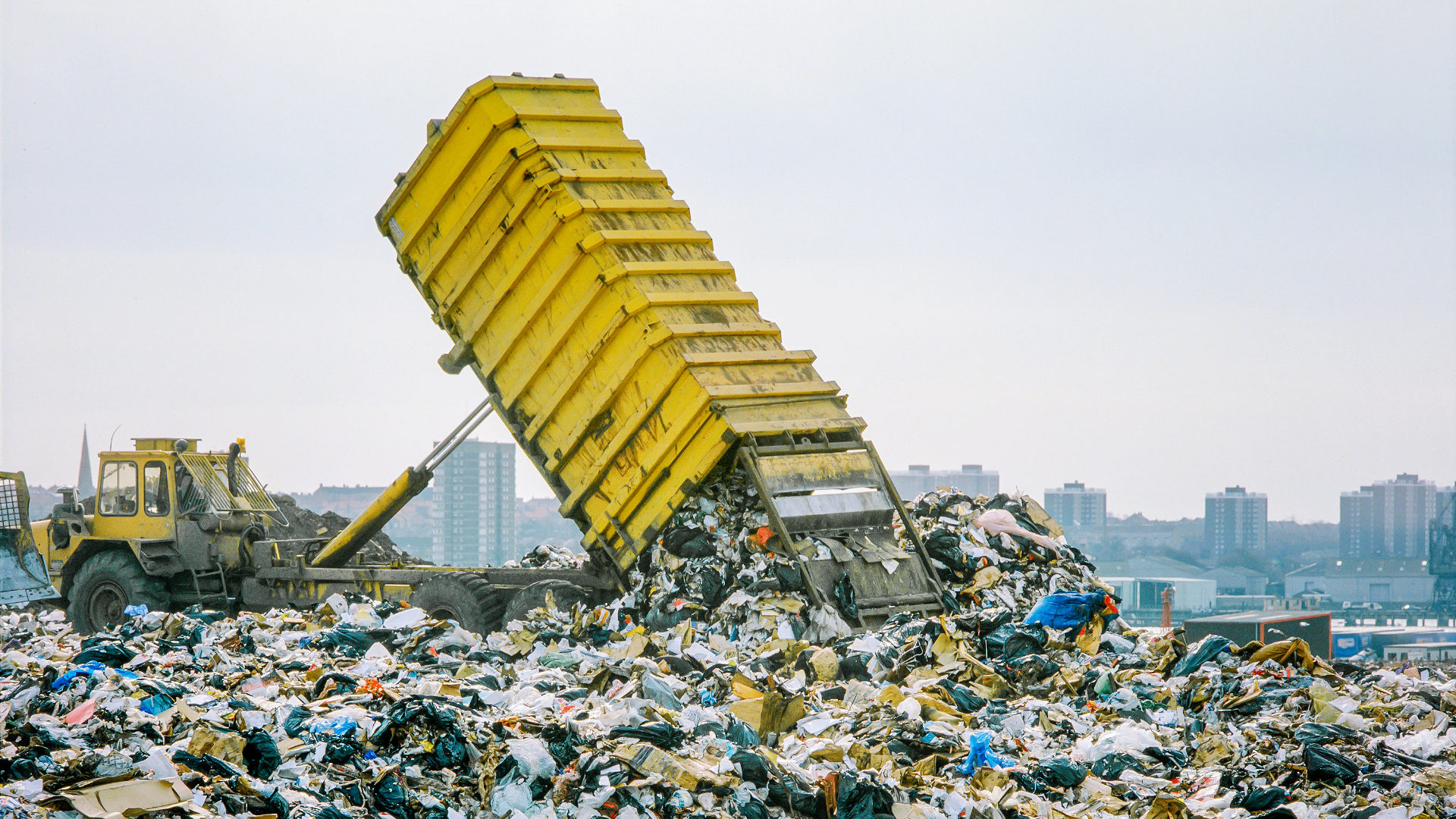
The final myth we will address here is the notion that IBCs are not environmentally friendly. This view suggests that the materials and manufacturing processes used for IBCs do not align with sustainable practices and overall lead to a negative environmental impact.
These commonly held beliefs about IBCs often overlook their true capabilities and benefits. In the next section, we will debunk these myths and present the facts that demonstrate why IBCs are a smart choice for water storage.
Debunking the Myths
Myth 1: IBCs are not safe for storing potable water
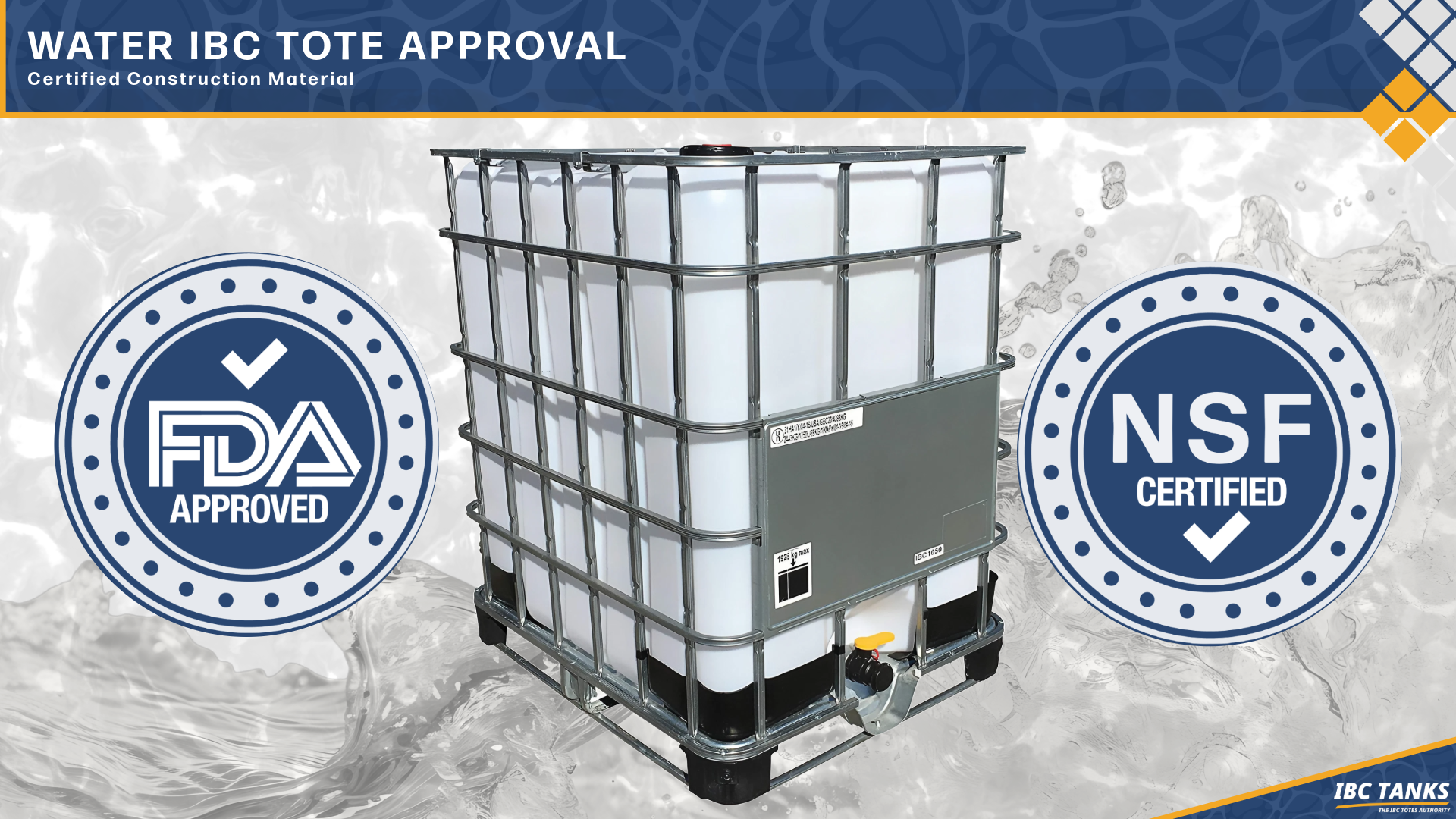
IBC totes, including all plastic, stainless steel, and the common caged IBC, have been engineered and manufactured for water storage. Plastic IBCs, made from high density polyethylene, are specifically formulated from FDA approved materials. They are certified free of additives and chemicals known to be unsafe for products or containers that will handle food grade ingredients or items intended for human consumption such as water.
IBCs are made by companies that prioritize and value quality in a product guaranteed to meet or exceed industry standards and regulations for safety and consistency. Additionally, polyethylene IBC totes have been independently evaluated and are ANSI/NSF 61 certified safe for drinking water applications. Altogether, IBC containers are manufactured using materials that prevent contamination and make them suitable for storing drinking water long term and repeatedly without compromising quality.
Myth 2: IBCs are too expensive compared to traditional tanks
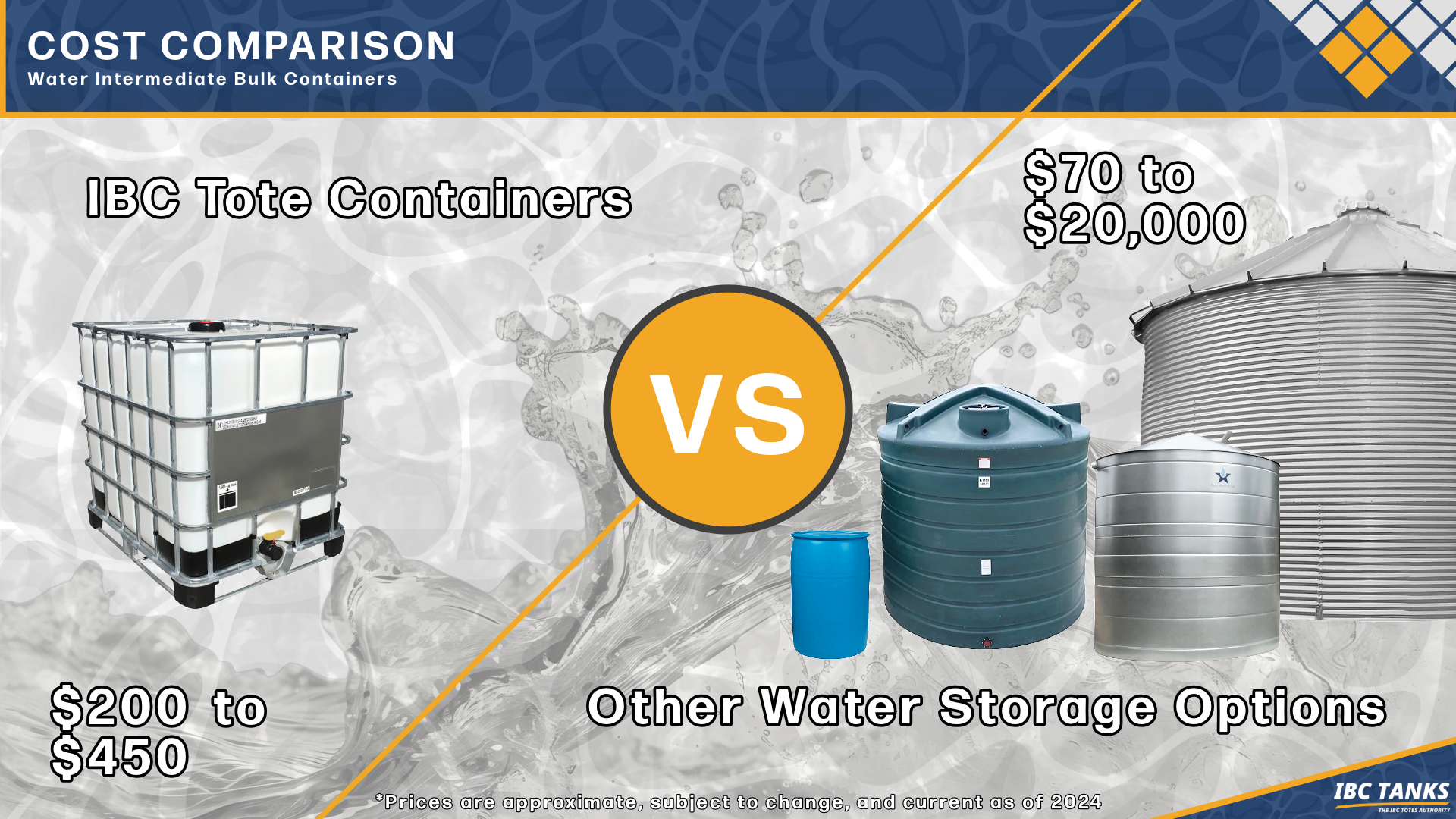
While the initial cost of IBCs might be higher than some traditional tanks, alternatives, or high capacity tanks on a cost-per-gallon analysis, in many cases this is not true. This is especially evident with the caged IBC tote commonly used for water that can be purchased new or rebottled to save on costs. Both options are approved safe for drinking water.
Additionally, IBCs can offer substantial savings to a company’s operations due to their durability, reusability, and minimal maintenance needs. Over time, these factors contribute to a lower total cost of ownership, leading them to be a cost effective investment.
Myth 3: IBCs are difficult to maintain and clean
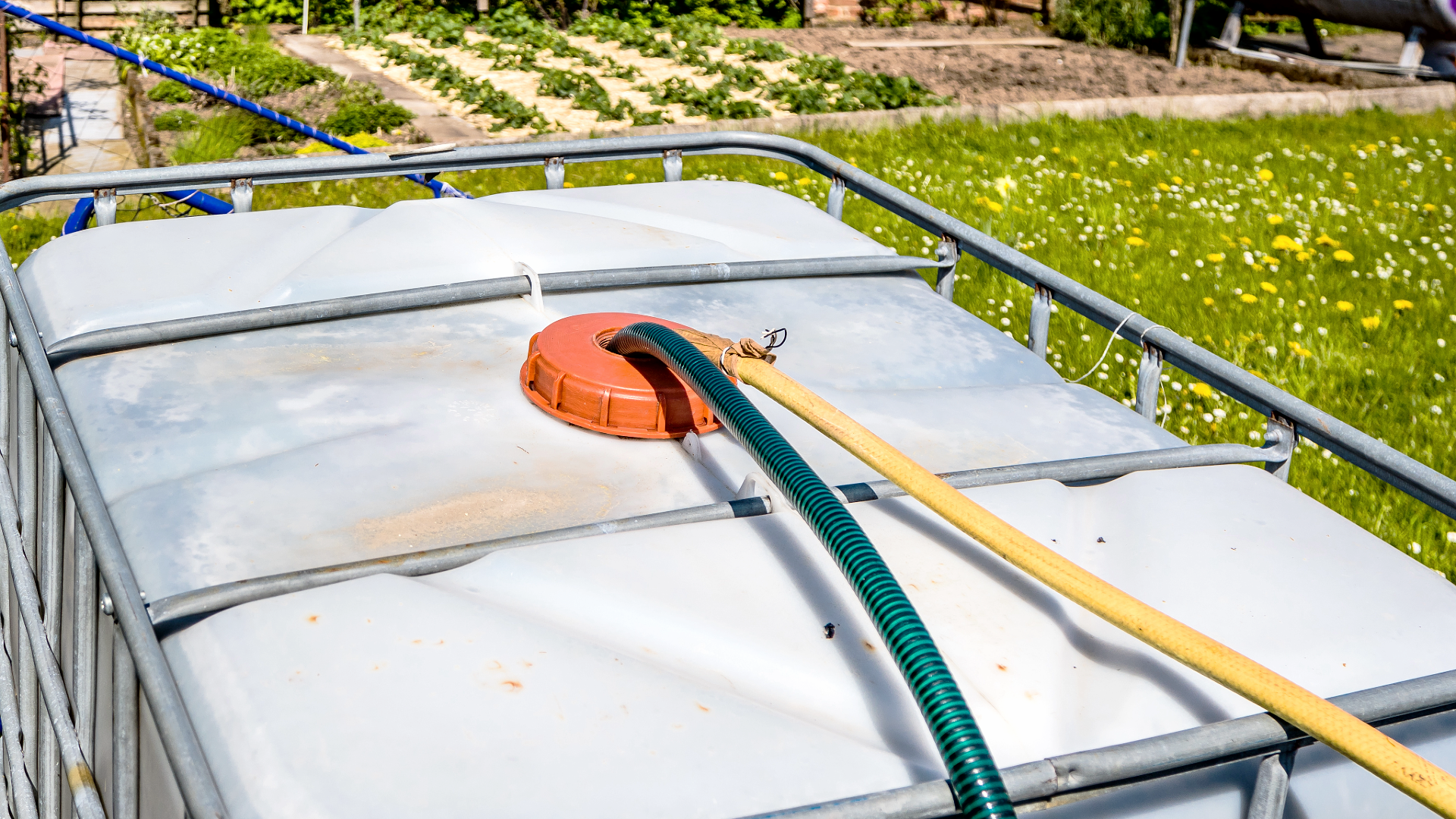
Contrary to this belief, IBC totes have been engineered for easy maintenance. While all larger capacity storage tanks will have their own difficulties in cleaning, IBCs’ size and built-in features make the overall work fairly easy. They feature a convenient top access opening for straightforward cleaning and a bottom drain valve for rinsing and flushing. These design elements streamline and simplify upkeep so the containers can remain clean and ready for use with minimal effort.

Myth 4: IBCs have a short lifespan and are not durable
IBCs are built to last, tested for endurance, and UN/DOT certified for freight transport of regulated, hazardous materials. IBC totes, including the caged IBC, must undergo performance and stress testing as well as be selectively manufactured according to federal regulations in order to receive UN/DOT approval. This in itself is an indication of durability.
Additionally, the materials IBC containers are made from are specially used for their physical strength, chemical compatibility, and environmental resistance. This robust construction allows them to withstand harsh working conditions and heavy usage that is capable of providing a long service life that can rival or surpass other storage solutions.
Myth 5: IBCs are not environmentally friendly
Most IBC containers are made from recyclable materials and have been designed with sustainability in mind. Plastic IBCs are made from high density polyethylene (HDPE, recycle code #2), and metal IBC tanks are made from stainless steel or carbon steel. All of these materials are known for their recyclability, and in the case of metal IBCs, a very long service life and great potential for repurposing.
The IBC design is centered around reusability. Any product that can be used multiple times and transitioned into different uses is higher on the eco-friendly scale. By choosing IBCs, owners and operators can reduce waste and environmental impact by reducing their need for single use containers. This in turn contributes to more sustainable practices.
By understanding these facts, it becomes much clearer that IBCs offer a practical, safe, and environmentally friendly solution for water storage.
IBC Highlight: Efficiency and Effectiveness
Intermediate bulk containers (IBCs) are renowned for their efficient design which makes them an effective choice for water storage needs across various settings. Let’s look at the features that highlight their capabilities.
Space Saving Design and Stackability
One of the standout features of IBC totes is their space saving design. Their cubical, box-like shape allows them to fit snugly into tight spaces, alongside other totes, and in transport vehicles to get the most out of available storage space. Additionally, IBCs are stackable, allowing multiple containers to be stored vertically — recommendations are for two high if full and four high if empty. This stackability is especially beneficial in warehouses and worksites where maximum space use is crucial.
Easy Transportation and Logistics
It is a key part of their design that IBCs have been engineered with transportation in mind — a stand out benefit to applications that require moving water from one place to another. IBCs have standardized dimensions built around international pallet sizes that make them easy to load onto trucks, into shipping containers, and place where needed on a job site. IBC totes come with an integrated pallet base, allowing forklifts and equipment to handle them with ease. These features not only simplify the process of moving water but also reduce time and labor.
Adaptable for Different Water Storage Needs
IBCs are highly adaptable, capable of meeting a wide range of water storage needs and work needs. Whether used in agricultural settings, industrial applications, emergency water storage, or personal use their versatility is unmatched. IBCs can be customized with different fittings and valves, connected together, and joined to systems and setups to match specific needs. This makes the IBC container a flexible choice for different applications.
Takeaway
Throughout this article, we’ve addressed and debunked several prevalent myths surrounding intermediate bulk containers. By clarifying misconceptions, we’ve highlighted the true capabilities and benefits of IBCs as a valuable water storage solution. These containers are safe for storing potable water, cost effective in the long run, easy to maintain, durable, and relatively environmentally friendly due to their ability to be reused, repurposed, and recycled.
IBCs are built for streamlined efficiency. Their space saving shape, stacking capability, ease of transportation, and versatility make them not only a practical choice but an advantageous choice for water handling and storage needs.
Given their overall benefits, IBCs emerge as a reliable and solid choice for water storage. We encourage you to consider IBCs for your water applications with confidence.
The caged IBC water tote is available in new and rebottled for potable use cases and in reconditioned for non-potable uses with the best price.
For bulk orders and truckload quantities, wholesale discounts may be available. Use the details below to contact us for more information.