
Knowledge Base 〉 Target Topics 〉 IBCs and Water 〉 Comparing IBCs with Other Water Storage Options

Water is an essential resource, needed and used for many applications, and finding the best way to store it is important for maximizing usage. There are several types of water storage solutions available, including intermediate bulk containers (IBCs), drums, and various types of tanks. Each option has its own set of advantages and potential drawbacks, making it valuable to choose wisely based on your specific needs.
Overview of Water Storage Solutions
- IBC Totes: These are versatile and durable containers often used for mobility and direct integration. The poly caged tote, in particular, offers a reliable and secure way to handle water.
- Drums: Typically made from plastic or metal, drums are suitable for smaller-scale water storage needs.
- Tanks: Available in different materials such as polyethylene, stainless steel, and galvanized steel, tanks can vary greatly in size and capacity.
Choosing the Right Water Storage Method
As an overview, selecting the right water storage method should involve considering several factors:
- Cost: Weigh together the initial investment, long term maintenance expenses, and service life.
- Durability: Consider how well the container will withstand application-specific environmental conditions and usage over time.
- Space Efficiency: Account for available storage area and how the water storage container will fit.
Role of Water Storage in Different Industries and Settings
Water storage serves a necessary role across various applications. The most common include:
- Agriculture: Reliable water storage is essential for irrigation and livestock needs.
- Manufacturing: Industries often require large volumes of water for production processes.
- Construction: Companies and contractors rely on water for onsite activities and workers.
- Emergency Preparedness: Stockpiled water is vital for survival during natural disasters or other emergencies.
- Rainwater Harvesting: Collected rainwater can be used to conserve local water supplies and offset utility bills.
Understanding the different water storage options and their specific benefits can greatly influence efficiency and effectiveness in both personal and professional settings.
Overview of IBCs
Intermediate bulk containers (IBC totes) are versatile and uniquely designed storage tank products built for the easy handling and use of middle grade volumes of liquids. In water storage, IBC containers are particularly valued for their capacity, durability, and ease of transport.
Materials and Design Features
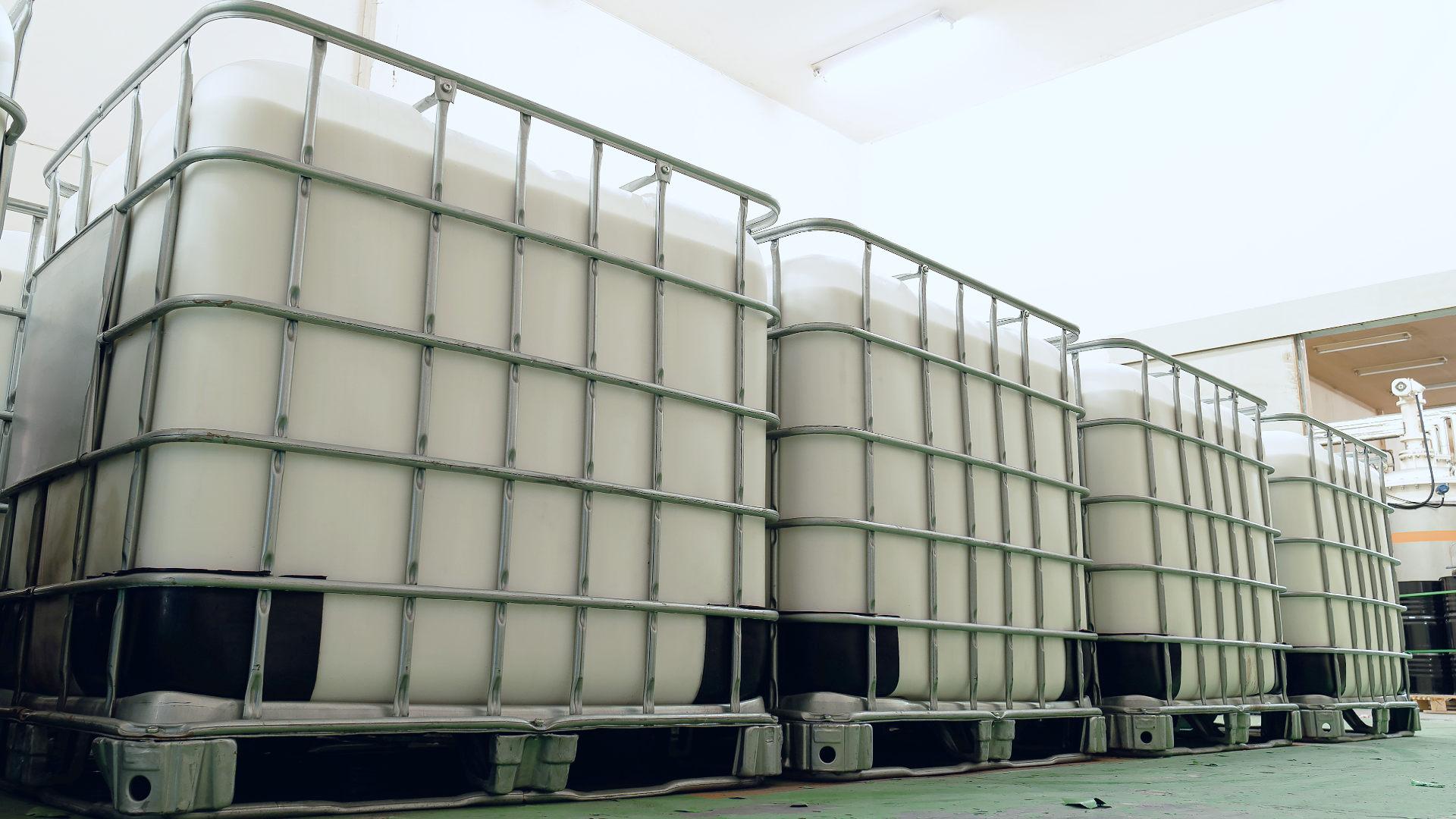
IBC totes come in different product types. For water uses, the caged IBC tote is the most commonly used. Caged IBCs are constructed from high density polyethylene (HDPE, recycle code #2) and supported and protected by a protective cage made of galvanized steel. This design improves durability while protecting the container from damage. The caged structure ensures stability during handling, transport, and stacking, making these IBCs a reliable choice for various storage needs.

Historical Development
The concept of IBCs emerged in the early 1990s as industries sought a more efficient way to store and transport bulk materials. Over the years, IBCs have evolved with advancements in construction materials and manufacturing techniques to improve their safety features and adaptability. Today, they are a key part of logistics and storage operations worldwide, particularly favored for their cost effectiveness, reusability, and space saving design.
IBCs Compared to Other Water Storage Methods
When selecting a water storage solution, it’s important to weigh the advantages and disadvantages of each option. Here’s how IBCs stack up against other methods like drums, polyethylene tanks, stainless steel tanks, and corrugated galvanized steel tanks.
Pros and Cons of IBCs
Pros:
- Versatility: IBC totes are engineered for easy transport and handling which makes them ideal for a variety of applications.
- Durability: The poly caged tote offers reliable protection with its steel cage and strong plastic for lasting use, even in challenging environments.
- Streamlined Use: Built-in easy-use lid and drain valve provides a consistent, straightforward way to fill and release water as well as connect hoses and plumbing equipment such as pumps.
- Space Efficiency: IBCs’ box-like shape allows the containers to be stacked and organized to maximize storage space.
Cons:
- Initial Cost: While generally cost effective in the long run, the initial investment for an IBC can be higher compared to simpler storage solutions like drums.
- Size Limitation: Although IBCs offer a significant storage volume, they might not be suitable for large scale storage needs where high capacity tanks are required.
Other Storage Methods
Drums:
- Pros: Drums are a cost effective and simple way to handle smaller volumes of water.
- Cons: Compared to IBCs, drums lack the capacity, durability, ease of use, and ease of handling, making them less suitable for versatile, demanding, and fast paced applications.
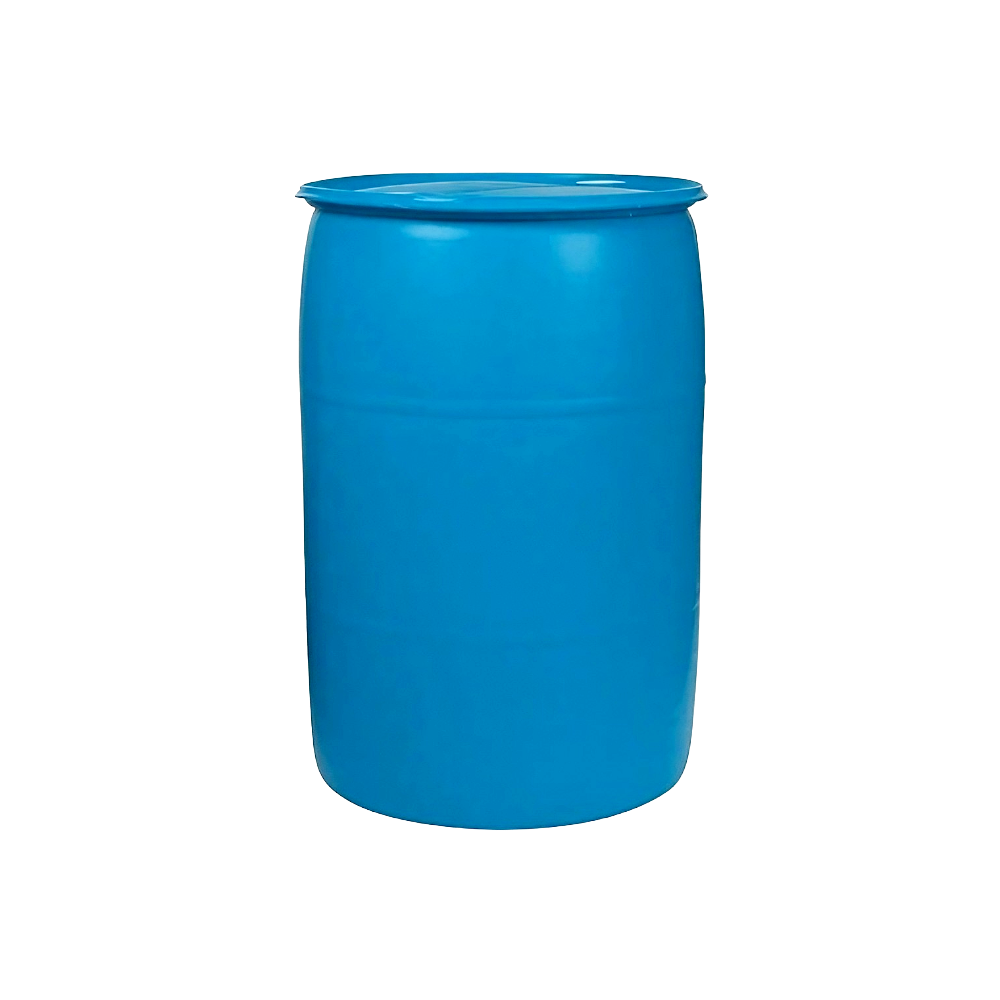
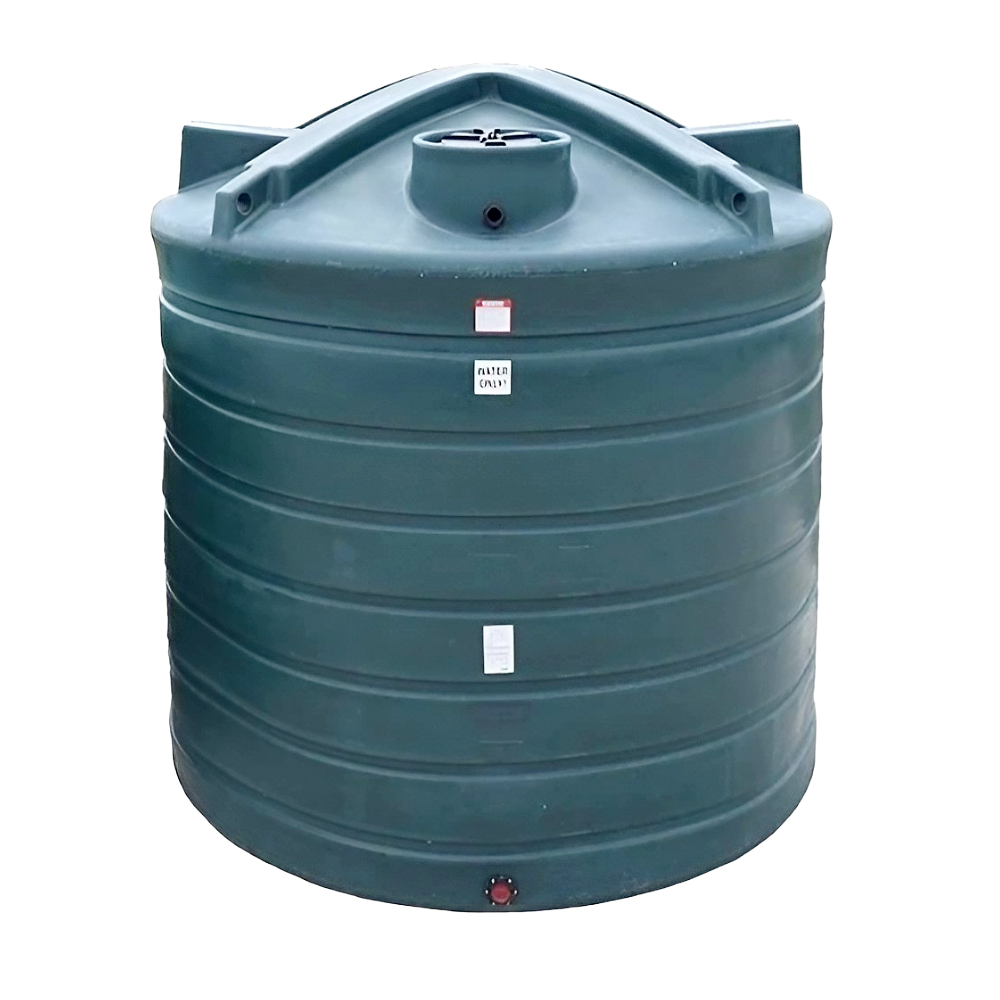
Polyethylene Tanks:
- Pros: Poly tanks are lightweight and resistant to corrosion with a large option range for sizes, styles, and volumes that offer a good balance between cost and performance.
- Cons: Poly tanks generally have a higher cost and do not provide the same level of versatility and adaptability as IBCs, especially in mobile applications.
Stainless Steel Tanks:
- Pros: Known for their lasting durability, cleanability, and resistance to contamination, stainless steel tanks are excellent for long term storage.
- Cons: They are often significantly more expensive and less space efficient compared to IBCs and do not offer as much of a capacity range as polyethylene tanks.

Corrugated Galvanized Steel Tanks:
- Pros: Galvanized steel tanks are strong, long lasting, and can store the largest volumes of water up to 100,000 gallons or more.
- Cons: They are bulky, require more installation space, cannot be easily relocated, and have a larger purchase cost.

While other water storage methods each have their unique strengths, IBCs offer a compelling mix of durability, versatility, and space efficiency that makes them a preferred choice for many users in many applications.
Detailed Comparison of Size, Cost, and Cost per Gallon
When deciding on a water storage solution, understanding and comparing the economics and practicality of each option can help you make an informed choice. Here’s a detailed comparison of size, cost, and cost per gallon for IBC Totes and alternative storage methods.
Size
- IBC Totes: Typical water IBCs hold up to 275 to 330 gallons, providing a compact yet substantial storage capacity that fits well in buildings, outside spaces, and transport vehicles.
- Drums: Standard drums usually hold around 55 gallons, making them suitable for smaller storage needs but overall require more space if larger volumes are needed.
- Polyethylene Tanks: These tanks vary widely in size, often from 10 gallons up to 15,000 gallons that offer flexibility in choice but often occupy significant space.
- Stainless Steel Tanks: Primarily, stainless steel tanks range from 90 gallons to 3750 gallons.
- Corrugated Galvanized Steel Tanks: Typically large, starting from 10,000 gallons to 100,000 gallons, suitable for big projects.
Cost
- IBCs: The initial cost of a water IBC tote is higher than drums but lower than large tanks, with a general cost range from $260 to $450 for rebottled to new IBCs.
- Drums: Generally the most affordable option for initial purchase, with prices around $70, but costs can add up if multiple drums are needed to reach larger volumes.
- Polyethylene Tanks: Moderately priced with costs ranging from $10 to $24,000, these tanks offer flexibility between cost and capacity.
- Stainless Steel Tanks: The most expensive option due to the durability and longevity of stainless steel with prices ranging from $1,000 to $15,000.
- Corrugated Galvanized Steel Tanks: With the focus on high capacity, prices range from $19,000 to $68,000 for galvanized steel water tanks.
Cost per Gallon
- IBCs: Offer a competitive cost per gallon, especially when considering longevity and reusability, making IBCs especially economical for medium-sized storage requirements. A 275 gallon new water tote has a cost per gallon of $0.94/gal.
- Drums: While inexpensive initially, their cost per gallon increases with volume needs as multiple units are required. A 55 gallon drum has a cost per gallon average of $1.27/gal.
- Polyethylene Tanks: Provide a reasonable cost per gallon, particularly for medium to large volumes. A 2,500 gallon poly water tank has a cost per gallon average of $0.88/gal.
- Stainless Steel Tanks: High initial costs lead to a higher cost per gallon; however, the durability can offset this over time. A 1,200 gallon stainless steel water has a cost per gallon average of $4.58/gal.
- Corrugated Galvanized Steel Tanks: Generally provide a lower cost per gallon for large scale needs that balances cost with capacity. A 50,000 gallon galvanized steel water tank has a cost per gallon average of $0.79/gal.
*Note: The prices listed here are approximate and/or averages sourced from top suppliers and are current at the time of this writing.
Comparing Life Expectancy and Durability
Understanding the life expectancy and durability of different water storage solutions will also contribute to making a wise investment. Let’s explore how IBC containers compare to alternative storage methods on these details.
IBCs (Intermediate Bulk Containers)
- Durability: IBCs are manufactured from FDA approved high density polyethylene and encased in a galvanized steel cage that offers reliable protection against physical damage and environmental conditions. This makes IBC totes highly durable for a wide range of applications.
- Life Expectancy: With proper maintenance, IBCs can last for multiple years, even under frequent use. They do not have a guaranteed life expectancy, but usage reports common service life from 5 to 15 years. Their manufacturing includes ultraviolet compounds for resistance to sunlight UV rays to extend their lifespan even for outdoor use.
Drums
- Durability: Drums are generally made from plastic or metal. While plastic drums offer good resistance to weather corrosion, they can be prone to physical damage. Metal drums are stronger but can rust over time.
- Life Expectancy: Typically, plastic drums last a few years, depending on exposure to elements and use. Metal drums may last longer but require regular care or restricted use to prevent rust.
Polyethylene Tanks
- Durability: These tanks are known for their lightweight and rust resistant properties, similar to IBC totes, made from thick, FDA approved high density polyethylene with UV stabilizing compounds.
- Life Expectancy: Polyethylene tanks can last anywhere from 5 years to 20 years or more with proper care.
Stainless Steel Tanks
- Durability: Stainless steel offers exceptional durability, being resistant to corrosion, rust, and physical impacts, making it ideal for long term storage.
- Life Expectancy: These tanks can potentially last a lifetime, often outlasting other storage solutions due to the robust nature and quality of the material.
Corrugated Galvanized Steel Tanks
- Durability: Galvanized steel can withstand harsh environments and physical impacts, being both strong and corrosion resistant.
- Life Expectancy: With proper maintenance, large volume galvanized steel tanks can last for decades if not a lifetime, though they may require periodic checks for corrosion at joints and seams.
Factors Influencing Durability and Longevity
- Material Quality: The type of material used greatly affects durability. High quality materials like stainless steel and UV-protected polyethylene tend to last longer.
- Environmental Exposure: Sunlight exposure, temperature fluctuations, and chemical contact can damage materials over time.
- Maintenance: Regular cleaning, inspections, and repairs can significantly extend the life of any storage solution.
While each storage option offers different levels of durability and life expectancy, IBCs provide a balanced combination of reliability and longevity in consideration of purchase costs, especially when maintained properly.
Environmental Impact Considerations for Each Storage Method
When choosing a water storage solution, it’s important to consider the environmental impact of each option. Let’s look into how each water tank option stacks up in terms of sustainability, recyclability, and ecological footprint.
IBC Totes
- Sustainability: IBC totes are designed for repeated use which reduces the need for single use containers and minimizes waste. The totes can also often be reconditioned or repurposed, further expanding their use and sustaining resources.
- Recyclability: Made from high density polyethylene and steel, water IBCs are highly recyclable. Many parts can be repurposed or processed to create new products.
- Ecological Footprint: The durable design of IBCs minimizes environmental impact through lifespan and reusability that reduces material consumption over time.
Drums
- Sustainability: Drums, particularly plastic ones, can contribute to environmental issues if they are not properly recycled or reused, which can actually occur more often due to their smaller size and lower cost.
- Recyclability: Both plastic and metal drums are recyclable.
- Ecological Footprint: Metal drums, particularly those that rust, can have a higher ecological footprint due to potential contamination risks and loss of recyclability.
Polyethylene Tanks
- Sustainability: These tanks are generally sustainable for medium to long term storage as their dedicated design reduces the need for replacements.
- Recyclability: Polyethylene tanks are recyclable, though large sizes may pose challenges for transport and recycling facilities.
- Ecological Footprint: While resistant to rust and corrosion, the production of polyethylene involves a component of natural gas, impacting the ecological footprint.
Stainless Steel Tanks
- Sustainability: Due to their longevity and durability, stainless steel tanks are a highly sustainable option with minimal environmental impact.
- Recyclability: Stainless steel is typically fully recyclable, making it an environmentally friendly option at the end of its lifecycle.
- Ecological Footprint: Although the manufacturing process is energy intensive, the long lifespan and recyclability offset initial ecological concerns.
Corrugated Galvanized Steel Tanks
- Sustainability: These tanks offer a balance of durability and cost that also makes them a sustainable choice for large scale water storage needs.
- Recyclability: Galvanized steel is recyclable, though the galvanization process can complicate recycling efforts.
- Ecological Footprint: The production process involves significant energy use, but the tanks’ long lifespan helps offset their environmental impact.
While each storage method has its environmental pros and cons, IBCs offer a strong combination of sustainability and recyclability. Their design and reusability make them a decent choice for reducing ecological impact.
Cost Effectiveness and Space Saving Features
Here’s a closer look at how IBCs offer financial and space advantages over alternative methods.
Cost Effectiveness of IBCs
- Affordability: IBCs strike an ideal balance between initial investment and long term savings. While the upfront cost may be higher than some other containers, such as drums, their durability and reusability deliver value over time.
- Value Over Time: The longevity of IBCs, paired with their ability to be used repeatedly, especially for water storage, results in a reduced need for frequent replacements that lead to significant savings over time.
Space Saving Benefits
- Compact Design: IBCs are engineered to maximize capacity while minimizing their footprint. Their stackable design maximizes the use of vertical space, where other storage options fall short, making them ideal for work settings with limited storage areas.
- Comparison with Other Solutions:
- Drums: Require more floor space for equivalent storage capacity with 330 gallon totes due to their smaller individual volume and are significantly more difficult to place on pallets for stacking.
- Polyethylene Tanks: Often occupy substantial ground area, especially in larger tank sizes which makes them less suitable for compact spaces. The tanks cannot be stacked but make up for this with their large capacity.
- Stainless Steel and Corrugated Galvanized Steel Tanks: Designed for large capacities, these tanks can require significant land space and lack the stackability of IBC containers.

Maintenance and Operational Cost Analysis
- Low Upkeep Requirements: IBCs require minimal maintenance compared to other storage solutions, largely in part due to their mid-volume size and built-in access ports.
- Efficiency: The operational efficiency of IBCs comes from their ability to be easily handled, transported, and integrated into use systems that reduce labor costs and time in workflows and logistics.
- Cost Comparison:
- Drums: May incur higher operational costs due to handling difficulties and potential for damage.
- Polyethylene Tanks: Require periodic inspections to ensure water stock doesn’t spoil through algae growth or biofilm buildup. Due to the size, cleaning a poly water tank can be work intensive.
- Stainless and Corrugated Steel Tanks: Though durable, they may demand regular upkeep to prevent corrosion, particularly if impact damage has affected the exterior. Similar to polyethylene tanks, the large size of these tanks can make cleaning highly work intensive.
IBCs offer a combination of cost effectiveness and space efficiency that makes them a smart choice for both economic and practical reasons. Their low maintenance requirements further add to their appeal, providing owners with a reliable and budget-friendly water storage solution.
Application Evaluation
Here, we will explore applications and scenarios where intermediate bulk containers shine and the considerations that make them a top choice.
Scenarios Where IBCs Are Preferred
- Industrial Use: In manufacturing and chemical industries, IBCs are favored for their ability to safely store and transport large volumes of liquids as well as their ability to directly integrate into workflows and production systems.
- Agricultural Applications: Farmers benefit from IBC totes for water storage, livestock watering, and irrigation purposes. Their stackable design makes the most out of the space available in barns and sheds, and they can be easily moved to different field locations as needed.
- Construction Sites: On-site water needs can be met efficiently and effectively with IBCs, which can be transported and repositioned with ease to provide reliable water access for construction crews.
- Emergency Preparedness: IBCs are excellent for emergency water storage and provision due to their large capacity, mobility, and being safe for drinking water. Organizations, communities, and individuals in disaster-stricken areas rely on IBCs to provide a stable water supply during a crisis.


Reasons to Choose IBCs Over Other Solutions
- Space Constraints: In settings where space is limited, the stackability and compact footprint of IBC containers make them superior to drums and large tanks that occupy more horizontal space.
- Versatility: IBC totes are adaptable for various work needs as well as uses beyond water storage, such as storing chemicals or food ingredients, making them a versatile investment for businesses that may have specific or changing needs.
- Transportation: For operations involving frequent transportation, the IBC design and built-in pallet offer unmatched service. Their standardized dimensions and cubical shape fit seamlessly in trailers, truck beds, and shipping containers, simplifying logistics.
- Maintenance: With minimal maintenance needs compared to steel tanks or polyethylene tanks, IBC totes can reduce upkeep costs and efforts.
- Budget: When long term cost savings are a priority, the durability and cost-per-gallon value of IBCs offer a budget-effective solution.
Takeaway
Choosing the right water storage solution can be simply beneficial or it can be critical to meet an application’s specific requirements. Throughout this article, we have considered the various advantages of intermediate bulk containers compared to other modern water storage methods including drums, polyethylene tanks, stainless steel tanks, and galvanized steel tanks. Here’s a recap of the key points:
- Durability and Longevity: IBC totes have a robust construction that delivers an appreciable service life for their purchase cost.
- Environmental Impact: With their recyclable materials and ability to be reused or repurposed, IBCs are a good sustainable option.
- Effectiveness in Cost and Space: Their stackable design, ease of use, and low maintenance provide both immediate and long term economic benefits.
- Versatile Applications: IBCs serve numerous industries, applications, and work requirements that overall improve their capability to contribute to jobs, operations, and services.
Final Thoughts on Selecting the Best Water Storage Solution
When selecting the ideal water storage solution, it’s essential to consider your specific needs and scenarios. IBC totes are particularly suited for demanding situations where physical toughness, maximum space use, and versatility are priorities. They can significantly benefit applications and industries that require reliable and adaptable storage options.
Recommendations for Further Thought and Decision Making
To help you make the best choice, consider the following recommendations:
- Determine Your Needs: Identify the volume, environmental conditions, and mobility needs of your storage application.
- Compare Options: Weight the pros and cons of each storage solution based on your specific use needs.
- Consider Long Term: Think about maintenance costs, potential replacements, and the ending environmental impact of your choice.
- Seek Expert Advice: Connect with industry professionals or suppliers to gain further insights and recommendations specific to your situation.
Ultimately, the decision should align with your operational needs and work goals to achieve an effective and dependable water storage solution for your unique circumstances.
For large quantity truckload orders, wholesale discounts may be available.
For inquiries, use the details below to contact our support team.