
Knowledge Base 〉 Target Topics 〉 IBCs and Water 〉 Optimizing IBC Water Storage: Seasonal Tips and Climate Adaptation Strategies
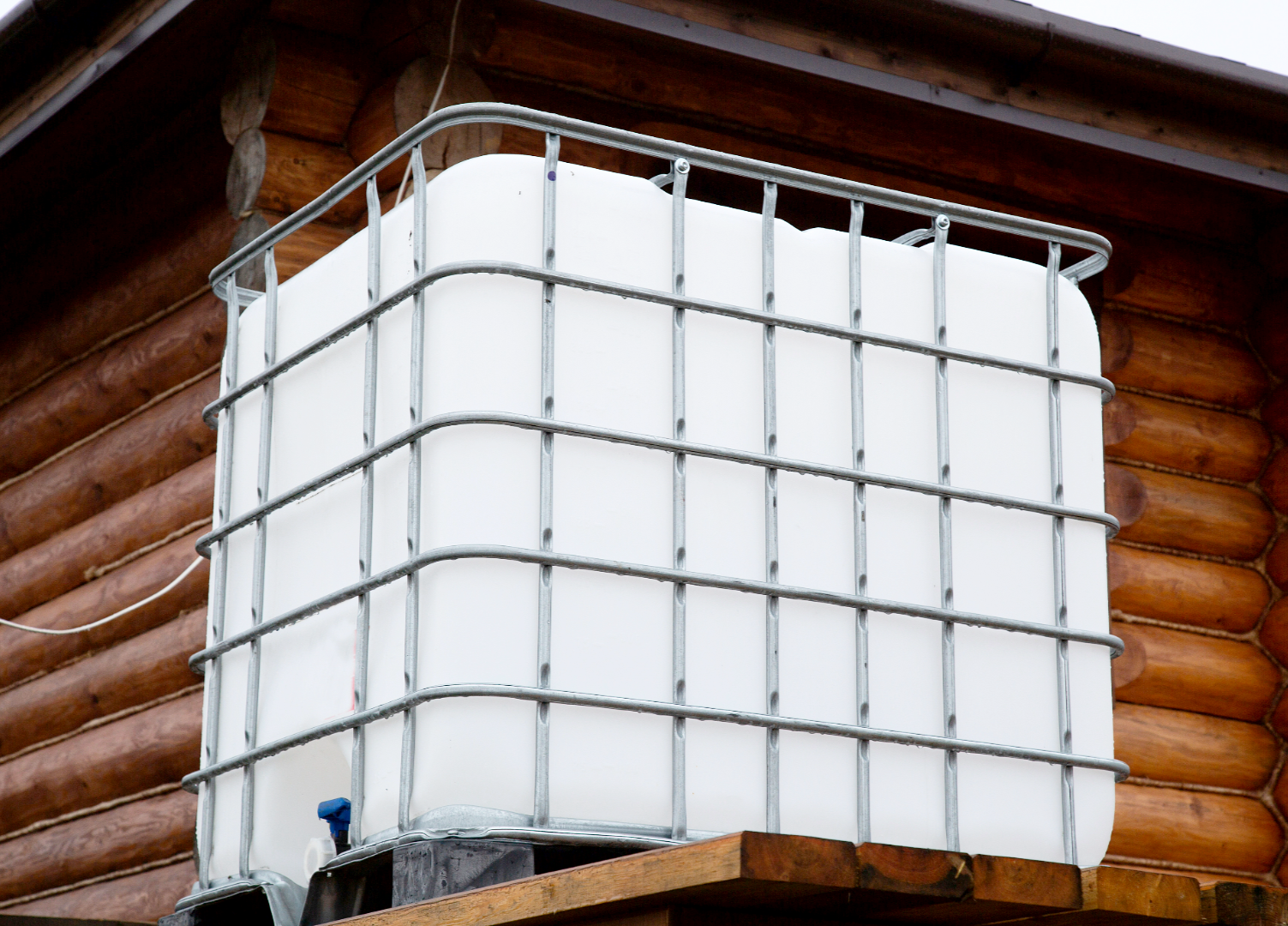
In today’s world, efficient water storage is important for everyone from industrial giants to everyday homeowners. Whether you’re running a large scale agricultural operation or harvesting rainwater for property needs, IBC totes provide a versatile, reliable, and manageable solution for seasonal water storage. These robust containers are engineered and optimized to store and transport liquids, which makes them highly valued across industries like manufacturing, construction, and farming.
IBCs are celebrated for their durability and ability to hold large volumes of water safely. However, as Earth’s seasons change, so do some of the challenges associated with outdoor IBC water storage. Temperature fluctuations, varying precipitation levels (for rainwater harvesting), and changing environmental conditions can all affect water quality, usability, and even possibly the structural integrity of your IBCs. Understanding these seasonal impacts is necessary to ensure your water storage remains safe and effective year round.
By building in smart strategies and adapting to different climates, you can optimize your IBC water storage to ensure that whether it’s the heat of summer or the cold of winter your water supply remains reliable.
Impact of Seasonal Temperature Changes on IBC Water Storage
Seasonal changes can bring unique challenges to outdoor IBC water storage. This makes adaptation necessary to protect your containers throughout the year.
Summer Heat:
In the heat of summer, water quality can become a serious concern. Longer hours of sunlight and high temperatures create perfect breeding conditions for algae, which can compromise the cleanliness and usability of your stored water.
To combat this, several methods are available, with using UV resistant materials to create a sun blocking cover being the best and most recommended option. Such materials can block the sun rays that drive algae growth.
A top option is to paint the IBC container with exterior rated, plastic safe paint. To paint an IBC, first remove the inner container from the cage — there are typically bolts at the top that can be loosened so the two parts can be separated. It is recommended to use a white primer as a base and then a black primary paint for the top layer. Painting is most effective if the container is completely covered with enough layers that when looking inside the tote there is no sunlight seen coming through the tote’s walls.
Other options include covering the IBC container(s) with UV resistant covering, such as special tarps, cloths, or fabrics made for blocking sunlight. Specialty covers made specifically for IBC totes can be purchased that are overall easier to set up and use.
Additionally, storing IBCs in shaded areas or building a dedicated shelter for shade can help protect against or fully eliminate sunlight exposure to ensure your stored water remains fresh and of the right quality for use.
Winter Cold:
When winter arrives, the risk of freezing temperatures can pose a threat to your water IBC totes. Water expands as it freezes, which can lead to cracks or damage primarily to the fittings installed on the container such as the outlet valve and lid.
The easiest and most straightforward way to prevent this is to simply leave enough space inside the IBC tote for stored water to expand as it freezes. This can be easily done by draining water from the container until there are several inches of space from the top. Other options are to leave the lid only loosely attached and to replace the stock IBC drain valve with a plug or cap.
The risk of freezing damage to the IBC container itself is minimal due to the flexibility of the plastic and its temperature tolerance. However, it is worth noting that the plastic container is more susceptible to impact damage during very cold weather as low temperatures can make the plastic more brittle. This is also true for any plastic water container, not just IBC totes.
To keep water from freezing inside an IBC tote, consider insulating your IBCs, (there are various DIY methods to do this) or using heating elements to maintain a stable temperature inside. For heating elements, make sure they do not rest against the plastic.
For permanent water IBC setups and critical applications, a water circulation system can be set up to keep the water inside the tote moving to prevent freezing. This can be done with a small electric water pump and PVC pipe to draw water from the IBC valve and add it back into the tote at the top, either through the lid or an additionally added bulkhead fitting.
Transition Seasons Spring and Fall:
Spring and fall can bring their own set of challenges with fluctuating temperatures, changes in rainfall, and increased plant matter debris, (for rainwater harvesting uses). During these times, it’s important to prepare your IBCs for sudden shifts in weather conditions. Ensure your containers are properly covered or insulated as needed, or that at least you are ready), to accommodate changing weather forecasts as conditions can quickly change during these seasons.
For rainwater harvesting use of water IBC totes, ensure you are positioned to handle excess rainwater or to accommodate for less rainfall. Also, keep debris filters cleaned and working to keep debris such as leaves, sticks, etc. out of the tote and to continue collecting rainwater.
Strategies and Protective Measures for Adapting IBC Storage to Different Climates
To keep your IBC water storage efficient and resilient, adapt your practices according to the climate. Here are some strategies and protective measures tailored to different climates:
Warm Climates:
In warmer climates, the relentless sun can quickly affect water quality and cause the IBC plastic materials to degrade faster. To combat this, use UV blocking covers or paint to shield your containers from direct sunlight and/or position IBCs in naturally or man made shaded areas to reduce exposure.
It’s also important to conduct regular checks for leaks and evaporation loss, as regularly warmer temperatures can cause water to evaporate more rapidly. Maintaining a close eye on your containers can help prevent significant water loss and ensure your storage remains secure.
Cold Climates:
In colder climates, keeping your IBCs from freezing is a top priority. Insulating wraps can help retain warmth and prevent freezing by making it take longer or colder temperatures to turn stored water to ice. Consider using heating elements to keep the water temperature stable, especially during prolonged cold spells.
Additionally, maintaining water circulation within the IBCs can prevent freezing by ensuring that the water remains in motion. These options can help safeguard your water supply against the harsh impacts of winter.
Transitional Seasons:
Spring and fall can bring unpredictable weather patterns that may require flexible storage solutions. During these transitional periods, adjust your storage practices as needed to accommodate or be prepared for variable temperatures and conditions. For example, improving or maintaining your drainage systems can help manage the increased rainfall that can lead to waterlogging that may cause damage to your containers or erosion around their bases.
Maintenance Practices for Seasonal Changes
Implement a regular maintenance routine to keep your IBC water storage working smoothly across all seasons. Here are our recommendations on how you can ensure your water containers stay in top notch condition:
Routine Inspections:
Regular inspections are useful for catching potential issues before they become major problems. Develop seasonal maintenance checklists that match your local weather expectations as well as your IBC setup. During these inspections, thoroughly check your IBCs for any cracks, leaks, or signs of wear and tear, such as in gaskets, the valve, lid, or the container itself, that might have developed over time or due to seasonal stressors. Paying close attention to these details can prevent minor issues from escalating and ensure your containers remain reliable and safe for water storage.
Cleaning and Sanitation:
Keep your IBCs clean to prevent contamination and maintain water quality. Establish a regular cleaning schedule so IBC containers are consistently free of dirt, algae, and residue. Cleaning after major seasonal changes or after storage is often recommended. Opt for cleaning solutions that are drinking water safe or eco friendly when cleaning an IBC.
Sanitizing the IBC tote interior is often recommended for high purity, critical applications, or use cases where some internal contamination has occurred.
See our post for details on how to clean and sanitize a water IBC tote.
Takeaway
Adapting your IBC water storage practices to align with seasonal changes will allow you to maintain the quality and efficiency of your IBC storage system. By implementing these climate adaptation strategies, you can ensure a reliable water supply year round.
Whether you’re dealing with the hot sun of summer, the cold of winter, or the unpredictable conditions of transitional seasons, being proactive and prepared can make a significant difference. By implementing the strategies or suggestions outlined here, you not only keep your water supply ready for use but also improve the lifespan of your IBCs. We encourage you to take these tips and adapt them to your specific needs.
The caged IBC water tote is available in new and rebottled for potable use cases and in reconditioned for non-potable uses with the best price.
For bulk orders and truckload quantities, wholesale discounts may be available for caged IBC totes. Use the details below to contact us for more information.