
Knowledge Base 〉 Target Topics 〉 IBCs and Water 〉 Long Term Water Storage Using IBCs
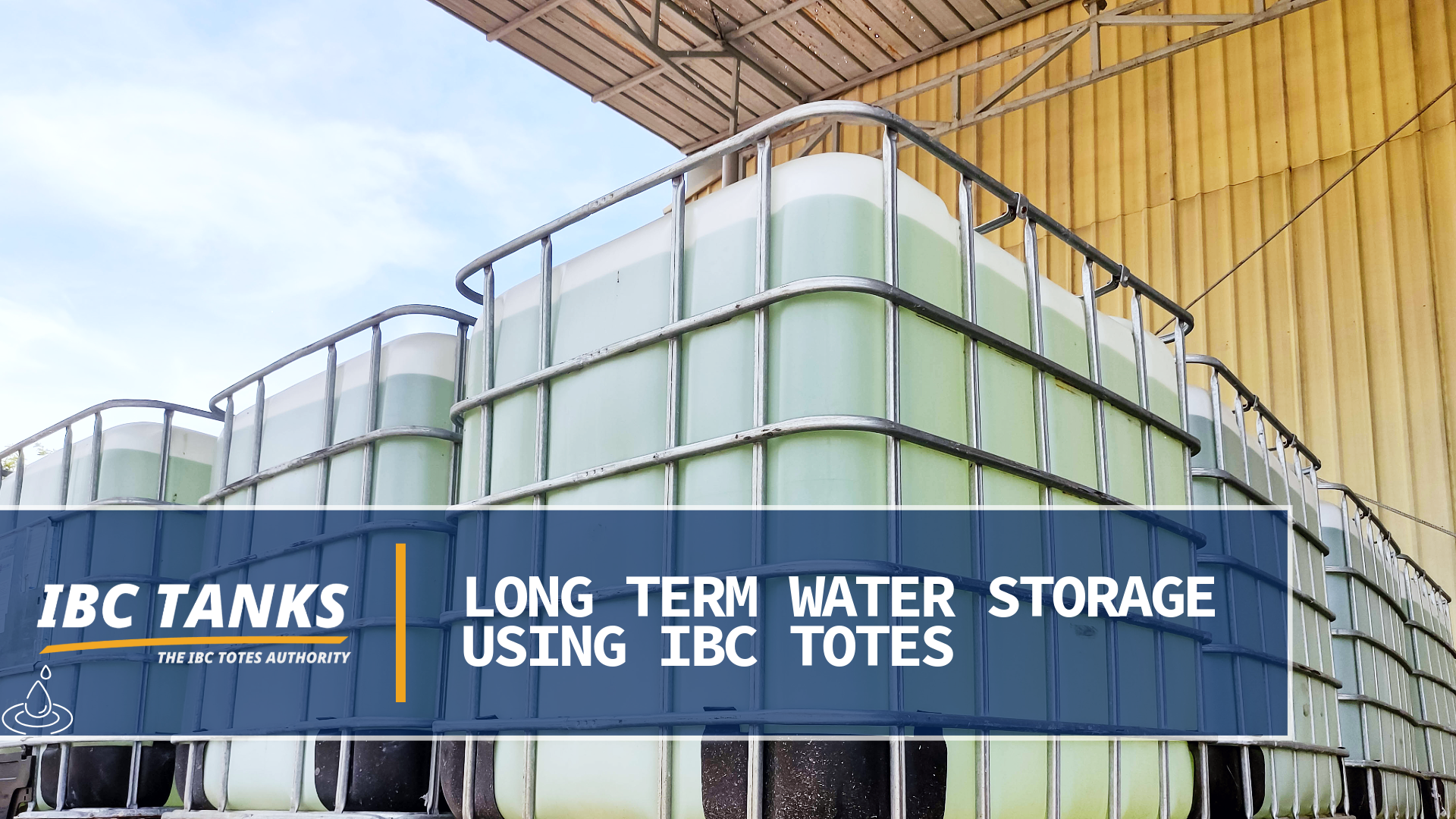
Looking at IBCs for Water Storage
What Are IBCs?
IBCs, short for intermediate bulk containers, are large, reusable containers designed to store and transport liquids and other materials. They’re often used in industries like agriculture, food, and chemicals because they can hold more and are easier to move compared to many other water storage container options.
How Are IBC Totes Designed?
IBC totes have a unique design that makes them both strong and easy to handle. There are several types of IBC containers, with the caged IBC tote being the most commonly used, especially for water needs. Caged IBCs feature a large plastic tank made from high density polyethylene (HDPE). This material is chosen because it’s durable and resistant to weather corrosion and many chemicals, which means it won’t easily break down, be critically damaged, or leak. In caged totes, the plastic tank is surrounded and supported by a protective cage made of metal, usually galvanized steel, that works to keep the IBC stable and safe.
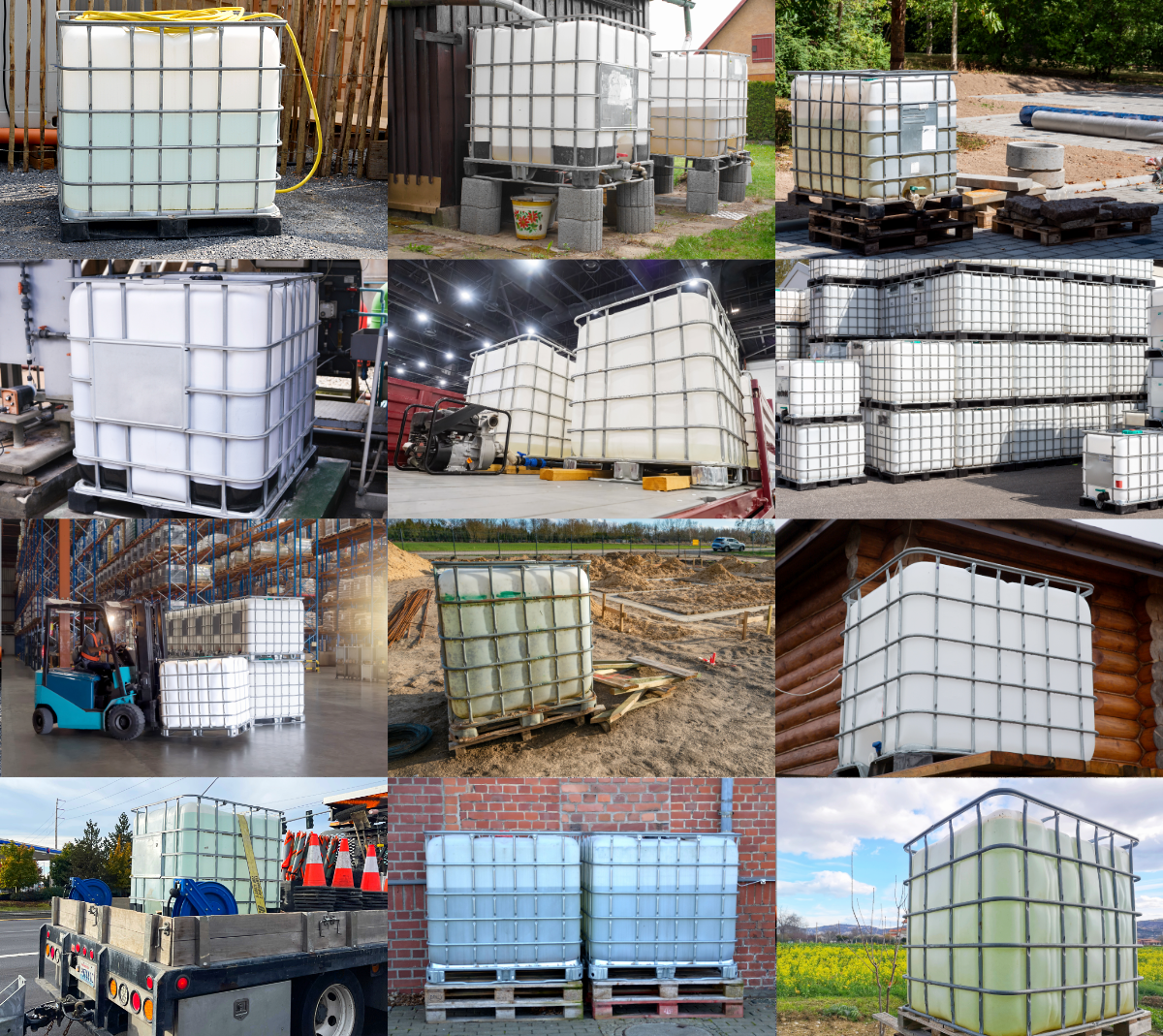

Typical Sizes and Capacities
IBC totes come in a few standard sizes, with the most common ones being 275 gallons and 330 gallons. These sizes make them perfect for storing large amounts of water. The typical dimensions of an IBC are about 48 inches long, 40 inches wide, and between 53 to 58 inches tall.
Why Use IBCs for Water Storage?
The greatest advantage of using IBCs for water storage is their ability to hold a lot of water in a compact space. Because of the way IBCs are made, they can be stacked, up to two high if full, which saves space in storage areas. Their unique, durable build means they can be transported and roughly handled. Plus, the integrated ball valve built into the IBC allows for easy connections with water pumps and plumbing such as hoses and pipes.
When empty, caged IBC totes are fairly lightweight and can be easily moved by two able bodied people. They can also be moved with forklifts or equipment fitted with forks, such as tractors, if available. Such equipment will be necessary to move and load water IBC totes when full.
Common Uses of IBCs in Water Storage
Rainwater Harvesting
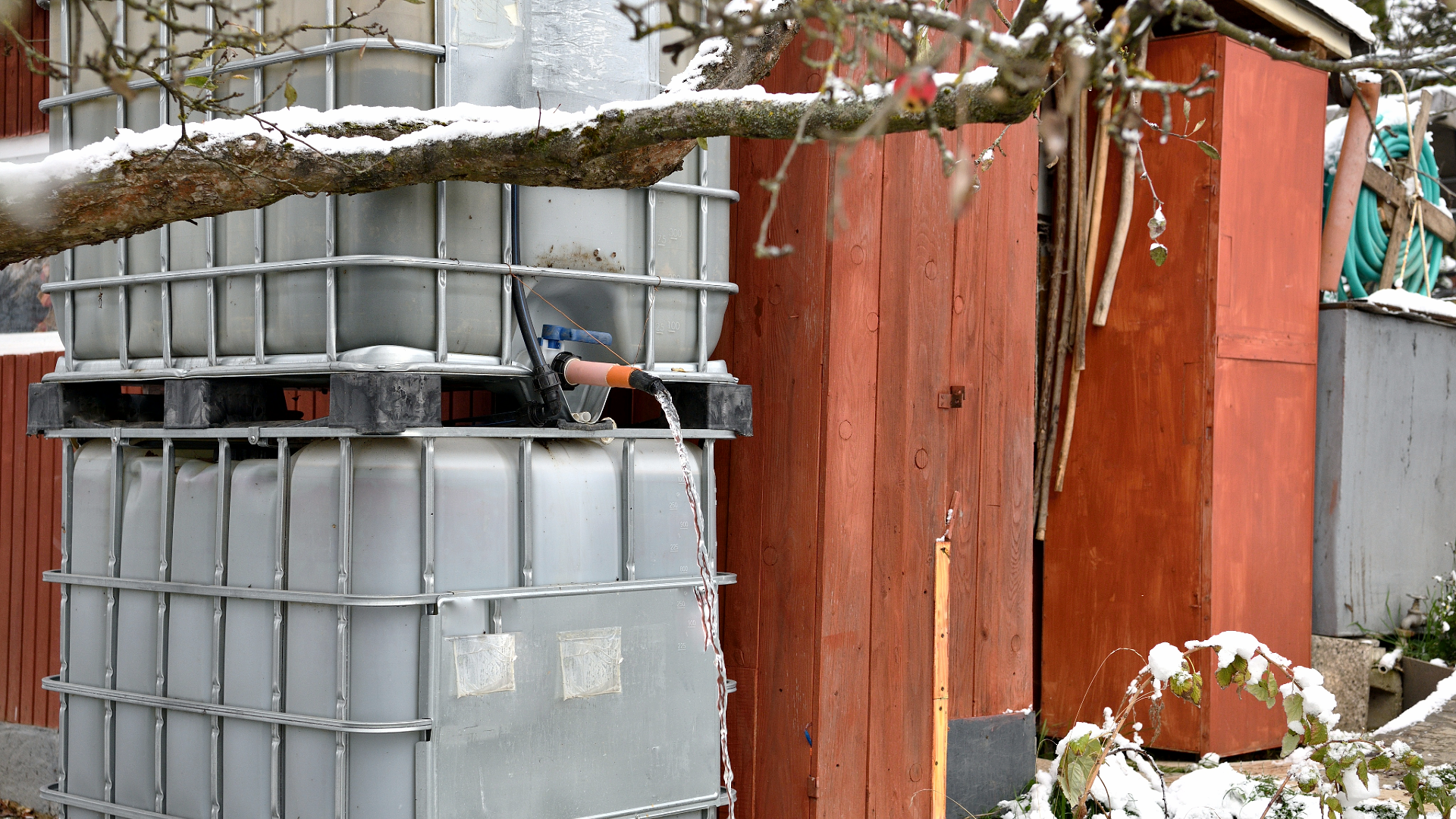
A popular use for water IBCs is for rainwater harvesting. By using IBCs, homeowners, rural landowners, small farmers, and homesteaders can collect and store large volumes of rainwater. The water can then be used for various purposes, such as watering gardens, providing water for livestock, stockpiling for emergencies, and other activities around the property if the water is treated to the right quality. Harvesting rainwater can not only help save on water bills but also conserve water from your local environment. The large capacity of IBCs makes it easy to store a significant amount of rainwater, especially if multiple totes are used together, in a low cost, easy to organize container.
For more on this, see our IBCs and Rainwater Harvesting topics.

Emergency Preparedness
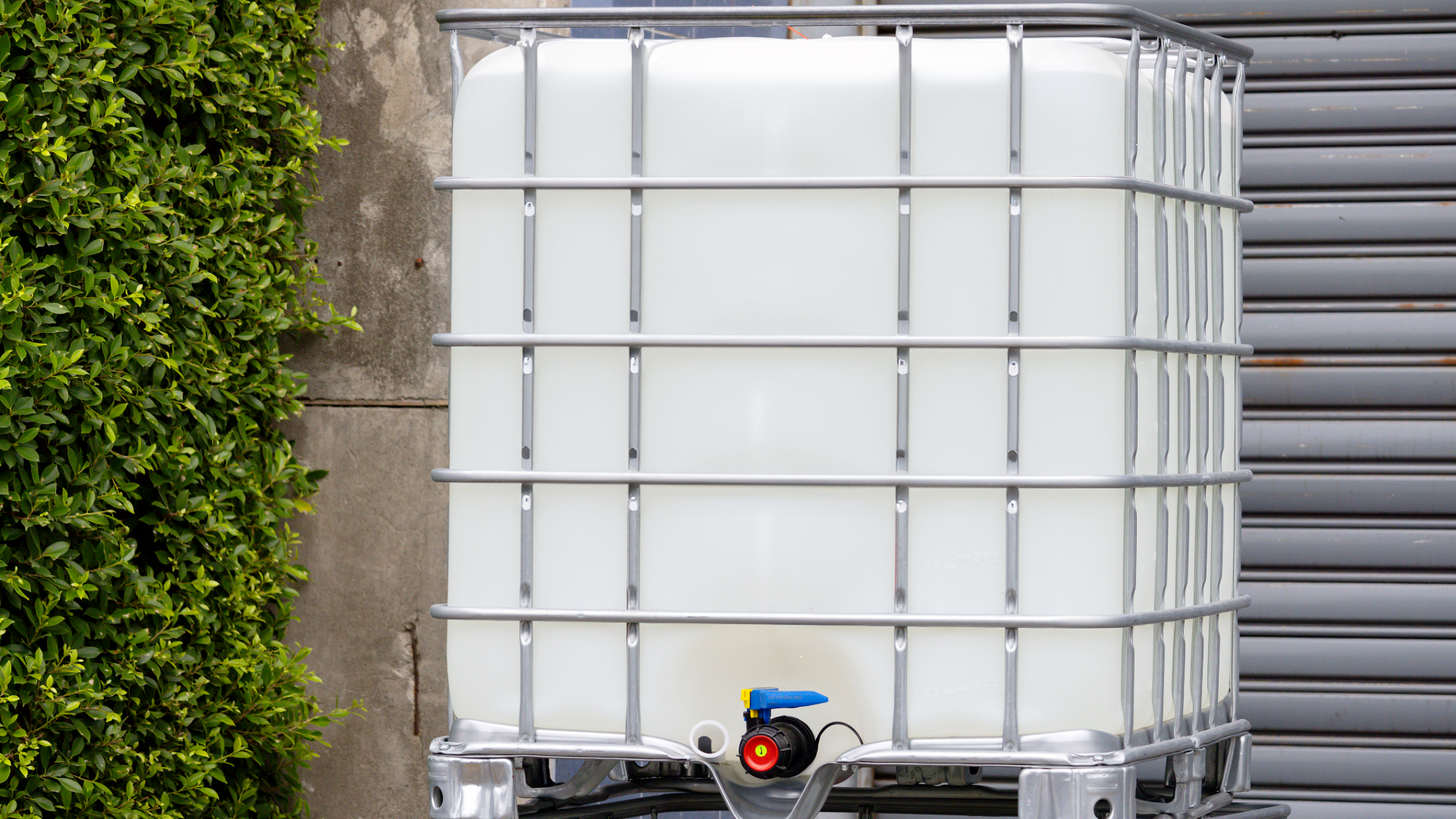
In emergencies, having access to clean water is vital. Caged IBC totes are often used by emergency services and households to store, deliver, and provide water for such situations. Their design ensures stored water remains safe and clean for an extended time. Whether it’s for natural disasters like hurricanes or simply as a precaution, having an IBC safeguarded away and filled with water can provide peace of mind knowing there will be an emergency water supply ready when needed.
For more on this, see Using IBC Totes in Emergency Preparedness and Disaster Relief.
Agricultural Use
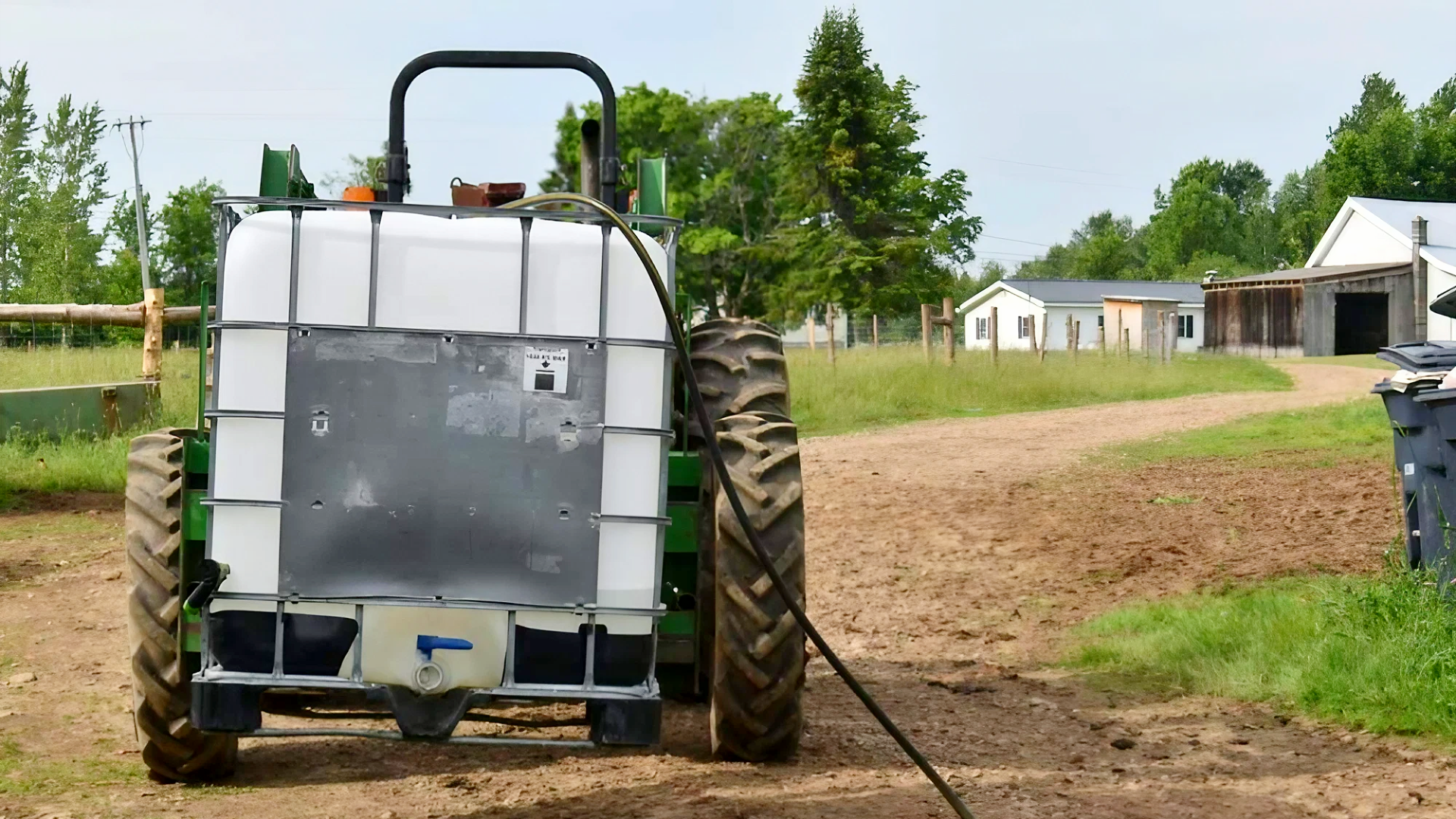
Farmers and agriculture frequently use IBCs to store and transport water for crops and livestock. IBCs are ideal for this purpose because they can be easily moved around with a forklift, tractor, truck, or pull-behind trailer, allowing water to be delivered and used around a farm. This flexibility helps in efficiently managing water resources, especially in remote areas and areas prone to drought. The large capacity of these containers reduces the frequency of refilling which will save workers time and effort. Lastly, the built in drain valve with quick connect compatibility allows for direct use with water pumps and plumbing for applications that need this.
For more on this, see our IBCs and Agriculture topics.

Construction Use
Water IBC totes are increasingly being used in construction activities for various needs due to their ease of use, design advantages, and reusable convenience. Key uses include:
- Water Storage and Supply: IBC totes are used to store large quantities of water needed on construction sites for mixing concrete, dust control, or other water-related tasks.
- Temporary Water Systems: They are used to set up temporary water systems for construction crews to provide workers with clean water for drinking and sanitation.
- Chemical Storage: Many construction projects use IBC totes for additional materials and chemicals such as DEF, sealants, or adhesives as they can safely store a wide variety of these substances.
- Transport Ease: Used for their easy transport design that makes it simple to move water or materials around the site as needed.
For more on this, see our IBCs and Construction topics.
Municipal Use
IBC totes are often used in municipal city work, particularly in roadwork and various service and maintenance activities. These versatile containers are commonly used to store and transport water as well as other liquids such as oils and chemicals needed for maintenance tasks. In roadwork, IBC totes can be used to hold asphalt emulsions, sealants, or other materials required for repairs and upkeep of road surfaces. Their design allows for easy loading, unloading, and securing making them ideal for crews that need to move around their work materials without having to regularly return to a depot to refill.
Additionally, city workers often use IBC totes for applications like dust control, where water or other dust suppressants are stored and transported to construction sites. They can also be used in landscaping projects, irrigation, and groundskeeping work by providing a convenient way to manage water and irrigation solutions.

Advantages of Using IBCs for Long Term Water Storage
Capacity
When it comes to storing large volumes of water, IBCs offer excellent efficiency. A single 330 gallon IBC can hold as much water as six 55 gallon drums or sixty-six 5 gallon water jugs. This means substantially fewer containers to handle, manage, and move and significantly less space for storage. Unlike smaller drums, jugs, or tanks, which may need to be lined up in rows, and are often cylinder shaped, a single IBC consolidates the stored water in a box-like shape. Overall, this not only simplifies and improves storage organization but reduces the time and effort needed for maintenance and monitoring.

Durability
Water IBC totes are constructed from high density polyethylene (HDPE), a material known for its strength and lasting resilience. This makes them highly durable and capable of withstanding harsh working and environmental conditions. Many HDPE IBC totes, including our caged IBCs, are made with UV stabilizing compounds to resist damage from sunlight exposure, which is vital for outdoor storage. This overall strength ensures that the containers maintain their integrity over time and provide a long lasting water storage solution that can endure different climates and changing weather conditions without breaking down.
Maneuverability
A fundamental advantage to IBCs is their built-in, multidirectional pallet base which provides a sturdy base, consistent shape, and makes them easy to move using forklifts or pallet jacks. This feature allows for quick, low effort transport as well as the ability to be placed, set up, and organized easily. Also, due to their pallet platform, IBCs can be stacked to save valuable space and improve storage organization. Empty water IBCs can often be stacked four high and full IBCs can be stacked two high due to weight load limits. This stacking ability is particularly useful in areas where space is limited.

Ease of Use and Connectivity
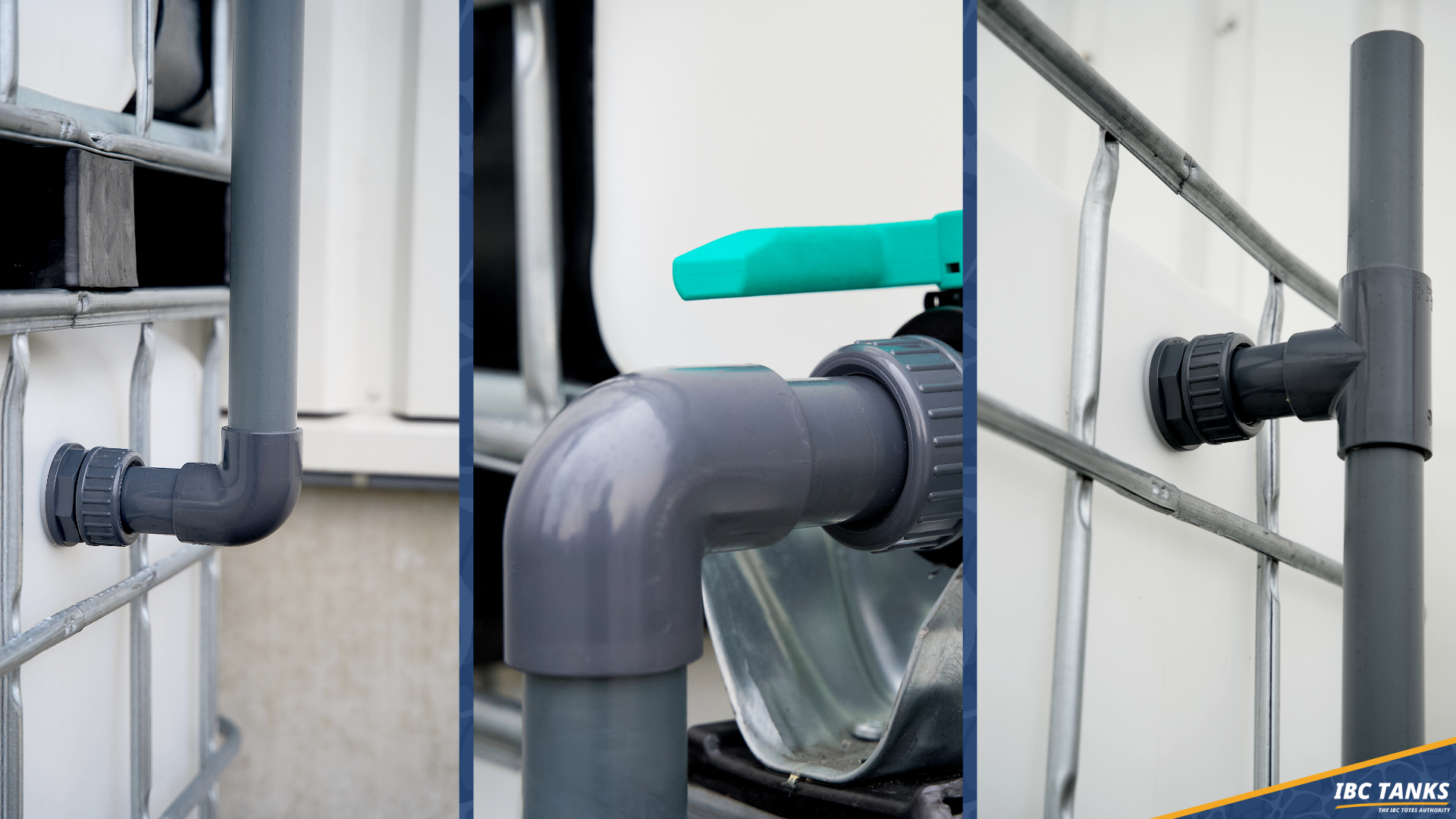
Ease of use and connectivity are primary feature advantages of using IBC totes for water storage. The built-in 2 inch ball valve drain with camlock coupler compatibility allows for streamlined, direct connection from the IBC to application hoses, pumps, and setups to deliver seamless water transfer. This easy-use feature ensures quick access and control over water flow that is highly convenient for water use needs, whether for irrigation, filling tanks, or supplying water to different areas. With an IBC tote, the hassle of manual handling is largely reduced, if not eliminated, and the reliability of the connection improves the overall effort in managing onsite water supplies.


Conditions for Safe Water Storage
The Right Material
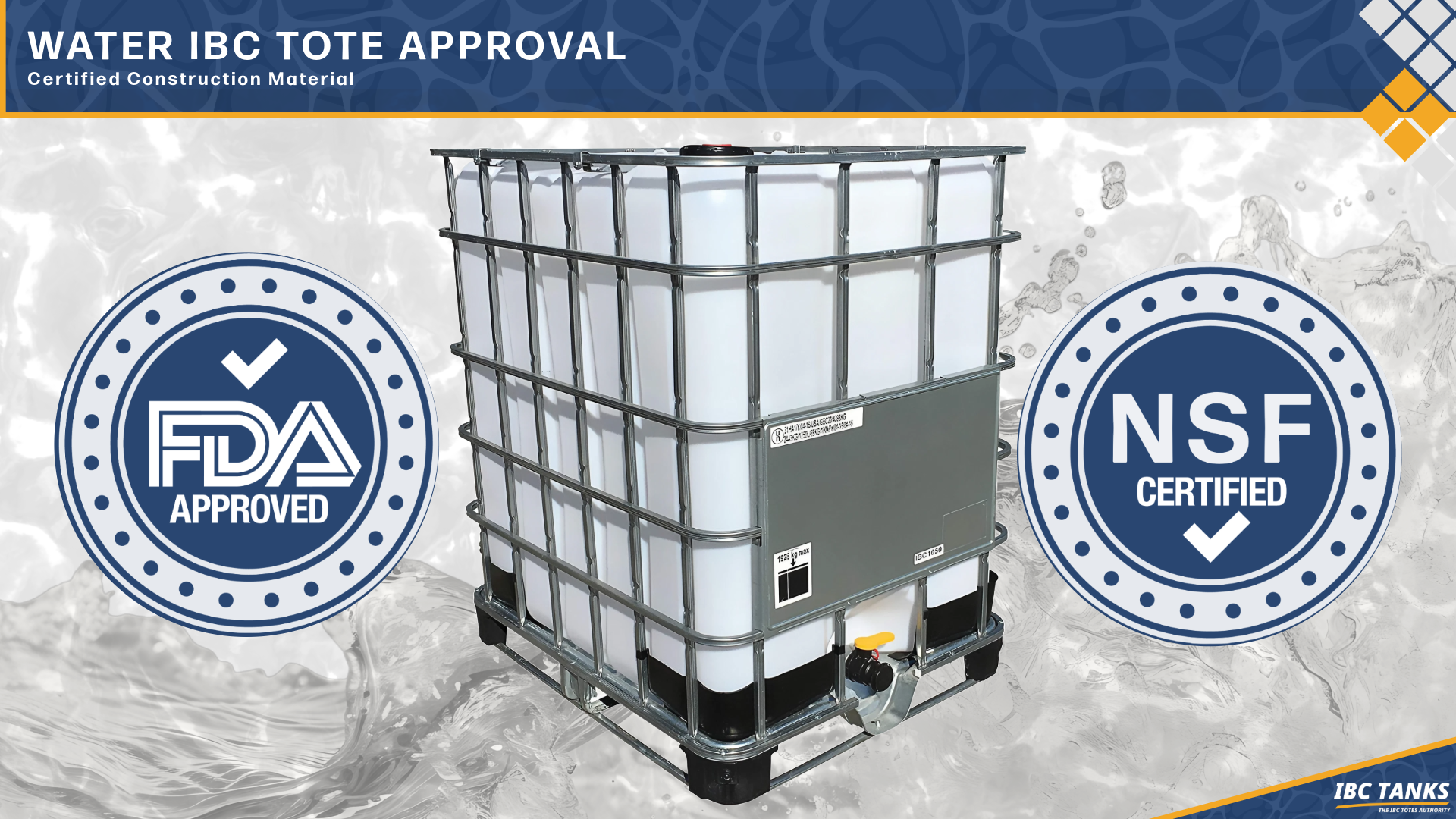
When storing water for drinking, it’s essential to use a container made from the right materials. This is critically important, including for IBC totes. Food grade IBCs are a safe choice as they have been made from materials approved by the FDA for storing liquids that will be consumed by people. IBCs made from FDA approved materials ensure the stored water will remain free from harmful chemicals that could leach from the container.
Choosing an IBC tote that is ANSI/NSF 61 certified is another valuable point for safe water storage. This certification further guarantees that the IBC meets health and safety standards for drinking water. ANSI/NSF 61 certification indicates the containers are safe for long term contact and repeat use with potable water while ensuring the water remains clean and safe to drink.
For more on this, see Are IBC Totes Safe for Drinking Water.
New, Rebottled, or Reconditioned IBC Tote for Drinking Water?
When selecting an IBC for drinking water, choose a new or rebottled IBC rather than a reconditioned one. New IBCs are unused, which eliminates any risk of contamination. Rebottled IBCs have a new inner bottle, which provides the same safety benefits. Reconditioned IBCs, on the other hand, have a bottle that has been used before that may have been used to store chemicals, which can pose a health risk even if the IBC is thoroughly cleaned.
The Right Storage Condition
Water IBC totes can be successfully and satisfactorily stored in a range of storage locations and under various storage conditions. However, the right storage condition for a water IBC tote is in a temperature-stable, preferably cool, dry location away from sunlight. A garage, basement, fully enclosed shed, or inside a building are good examples of ideal storage locations for water IBC totes.
When long term, outdoor storage is required, limiting sunlight exposure will be necessary to prevent algae growth. To combat this, keep the IBC(s) on the shaded side of a building, build a dedicated enclosure, add a roof cover, paint the IBC container, or wrap the inner bottle with thick, dark-colored plastic. For more on this, see Do IBC Totes Grow Algae.
Cleaning and Maintenance Protocols
Step-by-Step Cleaning Guide
Before using an IBC for water storage, even new IBCs, it’s recommended to clean the tank thoroughly before use. Pre-cleaning an IBC can ensure the removal of any dust or material leftover from manufacturing or that may have somehow gotten inside the container. Here’s a simple guide to follow:
- Rinse the IBC: Start by rinsing the inside of the IBC with clean water to remove any loose debris or dust.
- Prepare a Cleaning Solution: Mix a mild bleach solution, per the product’s guidelines, often one tablespoon of bleach per gallon of water. This helps disinfect the container. Always use a plain, simple bleach free of dyes, additives, or fragrances.
- Scrub the Interior: Use a long handle, soft bristle brush to scrub the inside surfaces of the IBC with the bleach solution. Make sure to reach all corners and crevices. Some DIYers recommend using a clean mop.
- Rinse Thoroughly: After scrubbing, rinse the IBC several times, (3x recommended), with clean water to remove any bleach residue. A power washer can be used here.
- Dry Completely: Allow the IBC to air dry completely before filling it with water. This prevents mold and bacteria growth.
Regular Maintenance Schedule
To keep your IBC in good condition, follow a regular maintenance routine:
- Monthly Checks: Inspect the IBC monthly for any signs of damage or leaks. Make sure the lid and valve are properly secured. For long term storage, do not open the IBC.
- Quarterly Cleaning: For repeat use-refill water IBCs, clean the tote every three months using the bleach solution method. This keeps the container sanitary and ready for use.
- Annual Deep Cleaning: Once a year, perform a more thorough cleaning. Use a pressure washer to remove any stubborn residues. Ensure all parts of the IBC (lid, valve, walls, etc.) are clean and free of buildup.
Appropriate Cleaning Agents and Tools
- Bleach Solutions: Use bleach for disinfecting as it effectively kills bacteria and viruses. Follow the product’s recommended safety guidelines when using and handling bleach.
- Pressure Washers: These are useful for deep cleaning and removing tough grime. If using a commercial, gas-powered washer, ensure the pressure is not too high to avoid damaging the IBC.
Environmental Factors
Optimal Storage Environments
To establish safe and effective water storage with IBCs, always consider the storage environment. Placing IBCs inside or in shaded or covered areas is necessary to prevent algae growth that can occur when water in the containers is exposed to direct sunlight. Algae can compromise drinking water quality, making it unfit for use. By storing IBCs indoors or protecting it outdoors, the risk of algae can be greatly reduced, if not eliminated, and also protect the container from other environmental conditions.
Temperature Regulation
Temperature can also play a role in maintaining water quality and the integrity of certain parts of the IBC. Subfreezing temperatures can cause water inside the tote to freeze and expand, which can put pressure on the lid and valve that can cause disconnections or damage to threads. High temperatures can also speed up the degradation of water quality which can promote bacterial growth if the IBC is not entirely clean. Common outdoor temperatures, both high and low, are not beyond the safe operating ranges for IBC containers.
Analyzing Cost Effectiveness
When evaluating water storage options, IBC totes are commonly reported as a cost effective solution. Compared to other storage methods like cylindrical tanks or multiple smaller drums, IBCs offer significant savings in initial costs, cost-per-gallon ratio, and long term maintenance. For example, purchasing one 330 gallon IBC is often less expensive than buying six 55 gallon drums to reach the same storage capacity.
On a cost-per gallon analysis, a rebottled 275 gallon water tote costs as low as $260 for a price per gallon of $0.94/gal. Five 55 gallon food grade drums can cost around $400 for a price per gallon of $1.45/gal. A 275 gallon water tank can cost around $600 for a price per gallon of $2.18/gal.


Takeaway
Using IBCs for long term water storage is a trusted and growing use that offers several key advantages. They are cost effective, durable, connectable, and space efficient, making them a smart choice for storing, dispensing, and moving large volumes of water. IBCs are designed to be stackable, easy to handle, and easy to transport, which helps optimize storage and simplify logistics. Overall, IBCs provide a practical and reliable option well-suited to match a wide range of water storage needs.
If you’re researching, comparing, and shopping for long term water storage, our IBC containers might be the right choice for you. Learn more about IBC tote uses, features, and more by exploring the resources in our IBC Tanks® Knowledge Base.
For large quantity truckload orders, wholesale discounts may be available.
For inquiries, use the details below to contact our support team.